

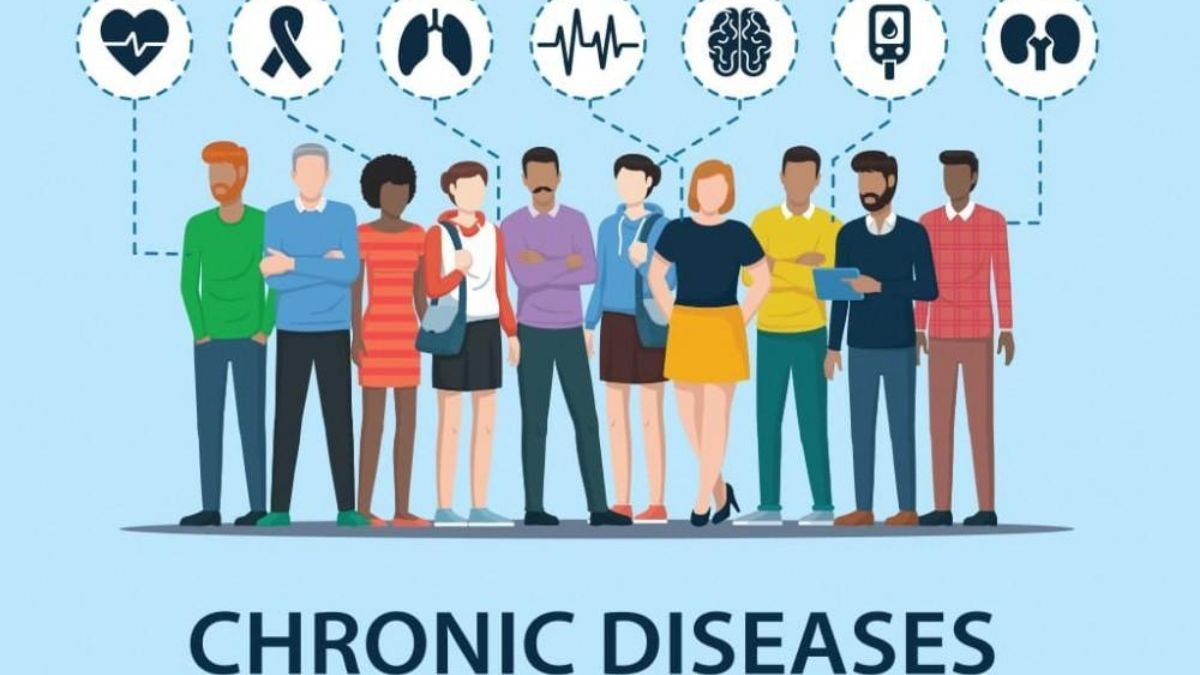
Chronic diseases are a significant health concern worldwide, affecting millions of people across every age group and socio-economic status. Unlike acute illnesses that often appear suddenly and resolve quickly, chronic diseases develop gradually and persist over a long period, often for life. They include conditions such as diabetes, heart disease, chronic respiratory disorders, cancer, and autoimmune disorders. These illnesses are not only life-altering but also place a substantial burden on individuals, families, and healthcare systems.
Understanding chronic diseases is crucial because they shape the way we live, work, and plan for the future. While some chronic conditions are preventable or manageable with lifestyle changes, others may result from genetics, environmental factors, or unavoidable circumstances. By recognizing the nature of these diseases, their risk factors, and the ways to manage them, we can improve quality of life, reduce complications, and foster healthier communities.
The Nature of Chronic Diseases
Chronic diseases are defined by their long duration and typically slow progression. They are different from infectious diseases, which are caused by bacteria, viruses, or other pathogens and often resolve once treated. Chronic illnesses are usually non-communicable, meaning they cannot be transmitted from one person to another. However, they can still have widespread impacts due to lifestyle patterns, environmental exposure, and genetic predispositions.
One of the key characteristics of chronic diseases is their complexity. Unlike simple injuries or infections, these conditions often affect multiple systems of the body. For instance, diabetes primarily affects blood sugar regulation, but over time, it can damage the heart, kidneys, nerves, and eyes. Similarly, high blood pressure may not cause immediate symptoms but gradually harms blood vessels and organs, leading to heart attacks or strokes. This interconnectedness highlights the importance of early detection and continuous management.
Common Types of Chronic Diseases
Several chronic diseases are particularly prevalent and have significant health implications. Cardiovascular diseases, which include heart attacks, strokes, and hypertension, are among the leading causes of death globally. Lifestyle factors such as poor diet, sedentary behavior, smoking, and excessive alcohol consumption contribute heavily to these conditions.
Diabetes, another widespread chronic disease, occurs when the body cannot produce or effectively use insulin, leading to high blood sugar levels. Diabetes can cause serious complications if left unmanaged, including kidney failure, vision loss, and cardiovascular problems. Chronic respiratory diseases, such as asthma and chronic obstructive pulmonary disease (COPD), affect breathing and lung function, often resulting from smoking, pollution, or genetic factors.
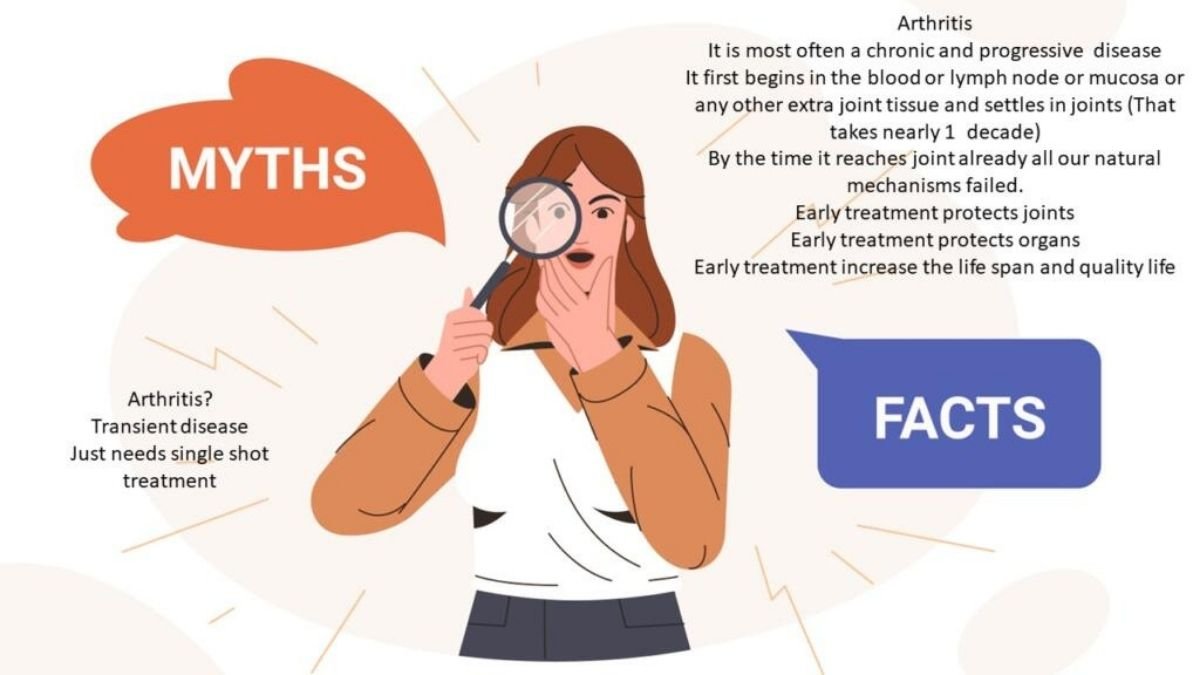
Cancer is a unique category of chronic disease because it involves uncontrolled cell growth and can affect almost any part of the body. While some cancers are influenced by genetics, many are linked to lifestyle and environmental exposures, such as smoking, poor nutrition, and prolonged sun exposure. Autoimmune disorders, including rheumatoid arthritis and lupus, occur when the immune system mistakenly attacks the body’s own tissues, causing long-term inflammation and organ damage.
Risk Factors and Prevention
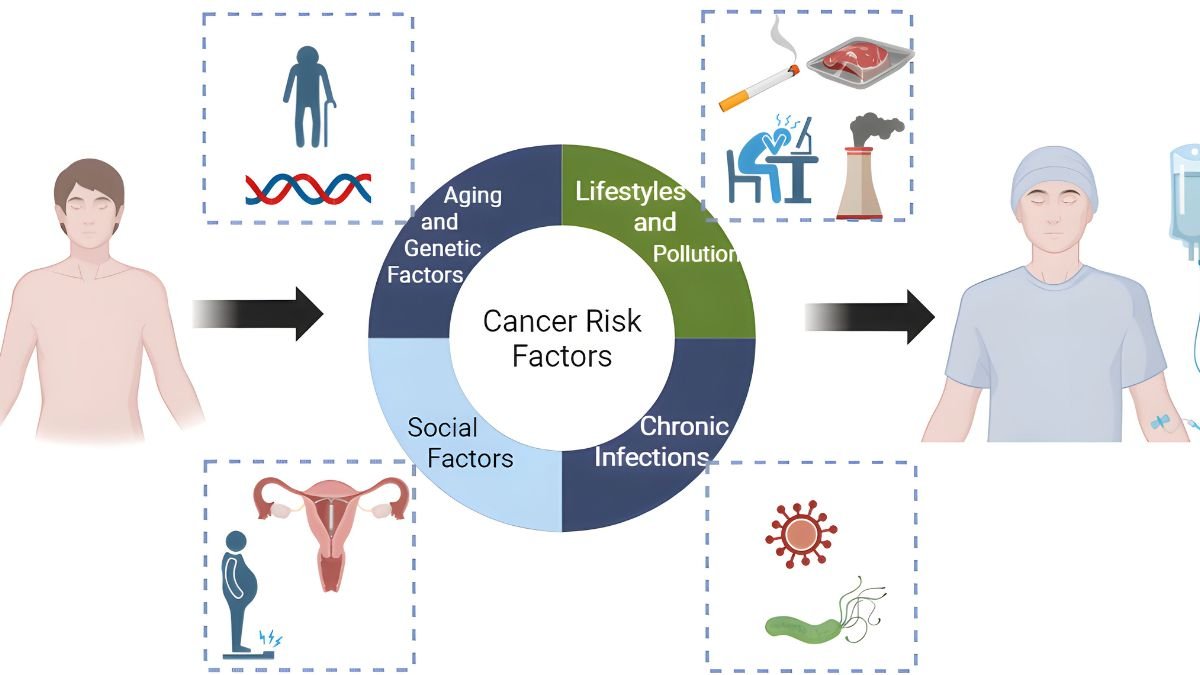
Understanding the risk factors associated with chronic diseases is essential for prevention and early intervention. Many chronic illnesses share similar risk factors, which can often be modified through lifestyle changes. Poor nutrition, lack of physical activity, tobacco use, and excessive alcohol consumption are major contributors to diseases like diabetes, heart disease, and cancer. Environmental factors, including exposure to pollution and harmful chemicals, also play a role.
Genetics is another important factor. Some individuals inherit a predisposition to certain chronic conditions, meaning they are more likely to develop them even with healthy habits. While genetic risks cannot be changed, lifestyle modifications can often reduce their impact. Regular check-ups, screenings, and early detection strategies are crucial for identifying risk and preventing disease progression.
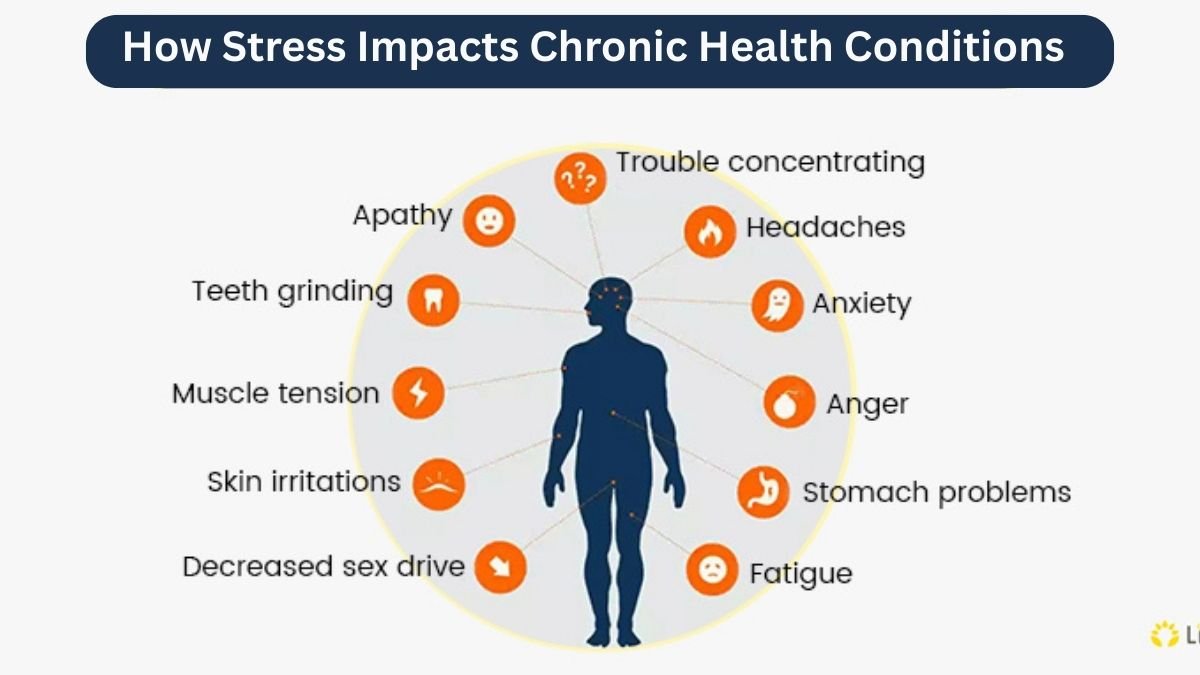
Preventive measures can have a profound impact on overall health. Maintaining a balanced diet rich in fruits, vegetables, and whole grains, coupled with regular physical activity, can significantly reduce the risk of many chronic diseases. Avoiding tobacco and limiting alcohol consumption further lowers risk. Mental health is equally important, as chronic stress, depression, and anxiety can worsen the progression of these conditions. A holistic approach to prevention addresses both physical and mental well-being.
The Social and Economic Impact
Chronic diseases extend beyond personal health and deeply affect society as a whole. These conditions often require long-term medical care, regular medication, and lifestyle adjustments, placing a financial burden on individuals and healthcare systems. Hospital visits, surgeries, and ongoing treatments contribute to rising healthcare costs, and in many cases, families struggle to manage these expenses.
Moreover, chronic illnesses impact productivity and quality of life. People living with long-term conditions may face limitations in their daily activities, struggle with employment, or experience social isolation. The emotional and psychological toll can be as significant as the physical symptoms, highlighting the importance of comprehensive support systems. Communities and governments are increasingly recognizing the need for public health initiatives, education campaigns, and accessible healthcare to mitigate these impacts.
Management and Treatment
Although chronic diseases are often lifelong, they can be managed effectively with the right approach. Treatment typically involves a combination of medication, lifestyle changes, and regular monitoring. For instance, hypertension can often be controlled with blood pressure-lowering medications, a low-sodium diet, and regular exercise. Similarly, type 2 diabetes can be managed with diet, exercise, blood sugar monitoring, and, when necessary, medication or insulin therapy.
Patient education and self-management are critical components of treatment. Understanding how to monitor symptoms, adhere to medication schedules, and recognize warning signs can empower individuals to take control of their health. Healthcare providers play an essential role in guiding patients through these strategies, creating personalized plans that address both medical and lifestyle needs.
Technology has also transformed chronic disease management. Wearable devices, mobile apps, and telehealth services allow individuals to track vital signs, receive reminders for medication, and communicate with healthcare providers remotely. These tools improve adherence to treatment plans and facilitate early detection of complications, ultimately improving outcomes.
The Importance of Awareness
Raising awareness about chronic diseases is vital for public health. Many conditions develop silently and may not show noticeable symptoms until they reach advanced stages. Awareness campaigns can educate people about early warning signs, encourage screenings, and promote healthier lifestyles. Schools, workplaces, and community organizations can play an active role in fostering environments that support preventive health measures.
Additionally, awareness reduces stigma. Conditions like mental health disorders, obesity, and autoimmune diseases can sometimes be misunderstood or judged unfairly. Public education helps normalize these experiences, encouraging people to seek help without fear of discrimination or embarrassment. Knowledge is a powerful tool in breaking down barriers and promoting a culture of health.
The Global Perspective
Chronic diseases are a global challenge, with rising prevalence in both developed and developing countries. Urbanization, changes in dietary habits, sedentary lifestyles, and aging populations contribute to the increasing burden. The World Health Organization (WHO) estimates that chronic diseases account for a majority of deaths worldwide, emphasizing the urgent need for effective prevention and management strategies.
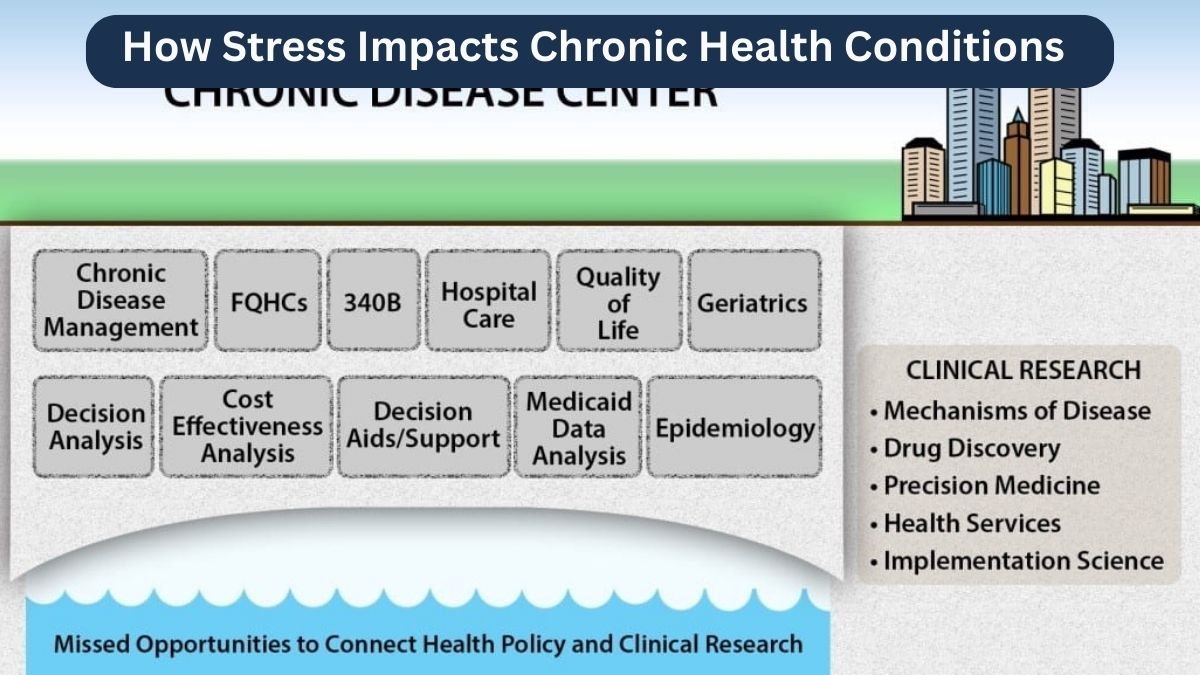
Addressing chronic diseases requires a coordinated effort involving governments, healthcare providers, communities, and individuals. Policies that promote healthy environments, access to nutritious food, and affordable healthcare are essential. International collaboration, research, and innovation also play a key role in developing new treatments and improving disease management.
Conclusion
Chronic diseases are complex, persistent, and far-reaching conditions that affect millions of people worldwide. Understanding their nature, risk factors, and management strategies is crucial for improving health outcomes and quality of life. While genetics and environmental factors contribute to their development, lifestyle choices and preventive measures can significantly reduce risk. Early detection, continuous care, and patient education are central to effective management, enabling individuals to lead fulfilling lives despite chronic conditions.
The significance of chronic diseases extends beyond personal health, impacting families, communities, and economies. Raising awareness, promoting healthier lifestyles, and fostering supportive environments are essential steps in addressing this growing public health challenge. By taking proactive measures today, we can reduce the burden of chronic diseases, enhance well-being, and create a healthier future for generations to come.








Leave a Reply