


Healthcare research is the foundation upon which modern medicine stands. Every treatment that saves a life, every diagnostic test that detects illness early, and every public health guideline that protects communities exists because of careful, methodical research. At its core, healthcare research is about asking important questions related to human health and systematically seeking reliable answers. It explores how diseases develop, how they can be prevented, how they can be treated more effectively, and how healthcare systems can serve people better. Without research, healthcare would rely on assumptions, traditions, or trial and error, putting patients at risk and slowing progress.
Defining Healthcare Research in Simple Terms
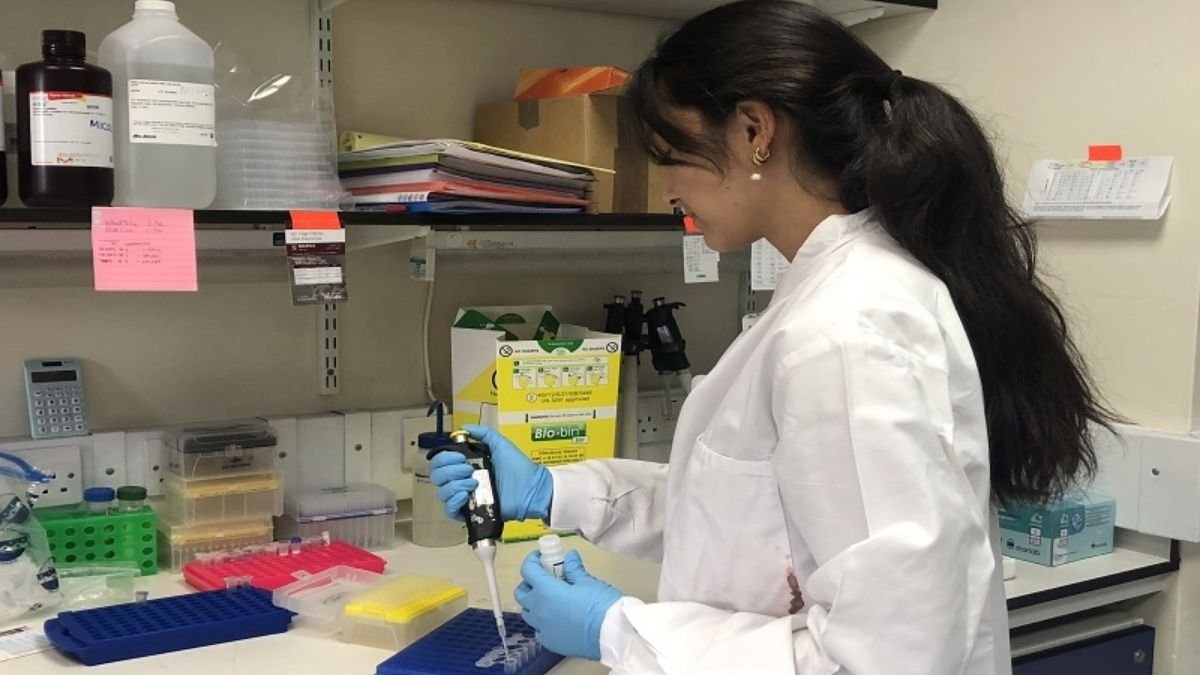
Healthcare research refers to the scientific study of health, illness, healthcare delivery, and outcomes. It involves collecting data, analyzing evidence, and drawing conclusions that help improve medical knowledge and patient care. This research can focus on individuals, such as how a specific drug affects the body, or on populations, such as how lifestyle factors influence disease rates. What makes healthcare research unique is its direct connection to human well-being. The findings are not meant to remain in textbooks; they are intended to influence real-world decisions made by doctors, nurses, policymakers, and patients every day.
The Historical Roots of Healthcare Research
The practice of healthcare research has evolved over centuries. Ancient civilizations observed symptoms and treatments, but their understanding was limited by a lack of scientific tools. The real transformation began when observation was combined with experimentation and documentation. Over time, researchers learned the importance of controlled studies, accurate measurement, and ethical standards. These advances allowed medicine to move from guesswork to evidence-based practice. Today’s healthcare research builds on this long history, using advanced technology, global collaboration, and strict ethical guidelines to ensure accuracy and safety.
The Role of Healthcare Research in Improving Patient Care
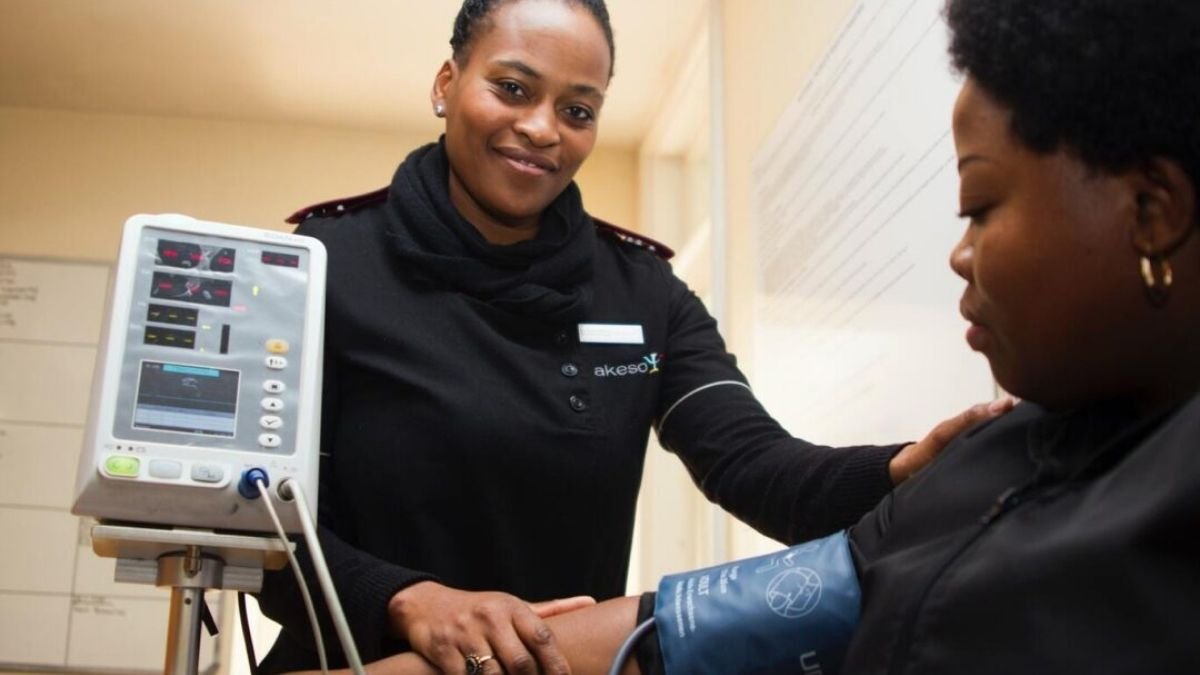
One of the most important reasons healthcare research matters is its impact on patient care. Research helps doctors determine which treatments work best for specific conditions and which approaches may cause harm. It allows healthcare providers to personalize care based on age, genetics, lifestyle, and medical history. Through research, ineffective or dangerous practices can be identified and replaced with safer, more effective alternatives. As a result, patients receive care that is not only more successful but also more compassionate and informed.
Advancing Medical Knowledge and Innovation
Healthcare research drives innovation in medicine. New drugs, vaccines, medical devices, and surgical techniques are all products of years of research and testing. Researchers explore how diseases function at the molecular and cellular levels, leading to breakthroughs that were once unimaginable. For example, advances in imaging technology, cancer therapies, and minimally invasive surgeries have transformed outcomes for millions of people. Without continuous research, medical progress would stagnate, leaving healthcare systems unprepared for emerging challenges.
Healthcare Research and Disease Prevention
Preventing disease is often more effective and less costly than treating it, and healthcare research plays a critical role in prevention. Researchers study risk factors such as diet, physical activity, environmental exposure, and genetics to understand why diseases occur. This knowledge helps develop screening programs, vaccination strategies, and public health campaigns. By identifying early warning signs and preventive measures, healthcare research reduces the burden of disease and improves quality of life across populations.
The Importance of Clinical Research and Trials
Clinical research, including clinical trials, is a vital component of healthcare research. These studies test new treatments, drugs, or procedures on volunteers to determine their safety and effectiveness. Clinical trials follow strict protocols to protect participants while generating reliable data. The results guide regulatory approvals and clinical guidelines, ensuring that new therapies are both safe and beneficial. Without clinical research, healthcare professionals would have no reliable way to evaluate new medical interventions before they are widely used.
Healthcare Research and Public Health
Healthcare research extends beyond hospitals and clinics into the broader realm of public health. Public health research examines how social, economic, and environmental factors influence health outcomes. It helps identify health disparities, track disease outbreaks, and design policies that promote healthier communities. Research in this area has been crucial in managing infectious diseases, improving sanitation, and shaping health education programs. By focusing on populations rather than individuals alone, public health research creates benefits that reach entire societies.
Evidence-Based Medicine and Decision Making
Modern healthcare relies heavily on evidence-based medicine, a practice rooted in healthcare research. Evidence-based medicine combines clinical expertise with the best available research evidence and patient values. This approach ensures that medical decisions are informed by proven data rather than opinion or habit. Healthcare research provides the evidence needed to develop guidelines, protocols, and standards of care. As a result, patients receive treatments that are supported by scientific proof and tailored to their needs.
Ethical Considerations in Healthcare Research
Ethics are central to healthcare research because it involves human lives. Researchers must follow strict ethical principles to protect participants’ rights, safety, and dignity. Informed consent, confidentiality, and transparency are essential components of ethical research. Oversight committees review research proposals to ensure that risks are minimized and benefits are justified. These ethical safeguards build public trust and ensure that research advances do not come at the cost of human harm.
The Role of Technology in Modern Healthcare Research
Technology has transformed healthcare research in remarkable ways. Advanced data analysis tools allow researchers to study large datasets and identify patterns that were previously hidden. Artificial intelligence and machine learning help predict disease trends and personalize treatment plans. Digital health records, wearable devices, and telemedicine platforms provide real-time data that enrich research findings. Technology not only accelerates research but also improves accuracy and accessibility, making healthcare research more responsive to real-world needs.
Healthcare Research and Health Policy
Healthcare research plays a significant role in shaping health policy and healthcare systems. Policymakers rely on research evidence to allocate resources, design programs, and evaluate the effectiveness of existing policies. Research can reveal gaps in healthcare access, inefficiencies in service delivery, and areas where investment can yield the greatest benefit. When policies are informed by solid research, they are more likely to improve health outcomes and reduce inequalities.
Challenges Faced in Healthcare Research
Despite its importance, healthcare research faces several challenges. Funding limitations can restrict the scope of studies and slow progress. Recruiting diverse participants can be difficult, affecting the generalizability of results. Ethical concerns, regulatory requirements, and data privacy issues add complexity to research efforts. Additionally, translating research findings into everyday practice can take time. Addressing these challenges requires collaboration, transparency, and sustained investment in research infrastructure.
Why Healthcare Research Matters to Everyday People
Healthcare research is not just for scientists or medical professionals; it affects everyone. The medications people take, the tests they undergo, and the advice they receive from healthcare providers are all influenced by research. Even lifestyle recommendations related to diet, exercise, and mental health are grounded in scientific studies. By supporting and understanding healthcare research, individuals can make more informed decisions about their own health and advocate for better healthcare systems.
The Future of Healthcare Research
The future of healthcare research holds immense promise. Advances in genetics, personalized medicine, and digital health are opening new possibilities for prevention and treatment. Global collaboration is making it easier to share knowledge and respond to health crises. As research becomes more inclusive and patient-centered, it will better reflect the diverse needs of populations worldwide. Continued commitment to research will be essential for addressing emerging diseases, aging populations, and evolving healthcare challenges.
Conclusion
Healthcare research is the driving force behind healthier lives and stronger healthcare systems. It transforms curiosity into knowledge, knowledge into action, and action into better outcomes for individuals and communities. By improving patient care, advancing medical innovation, informing public health, and shaping policy, healthcare research touches every aspect of modern life. Its importance cannot be overstated, as it ensures that healthcare continues to evolve, adapt, and serve humanity with compassion, accuracy, and hope.








Leave a Reply