

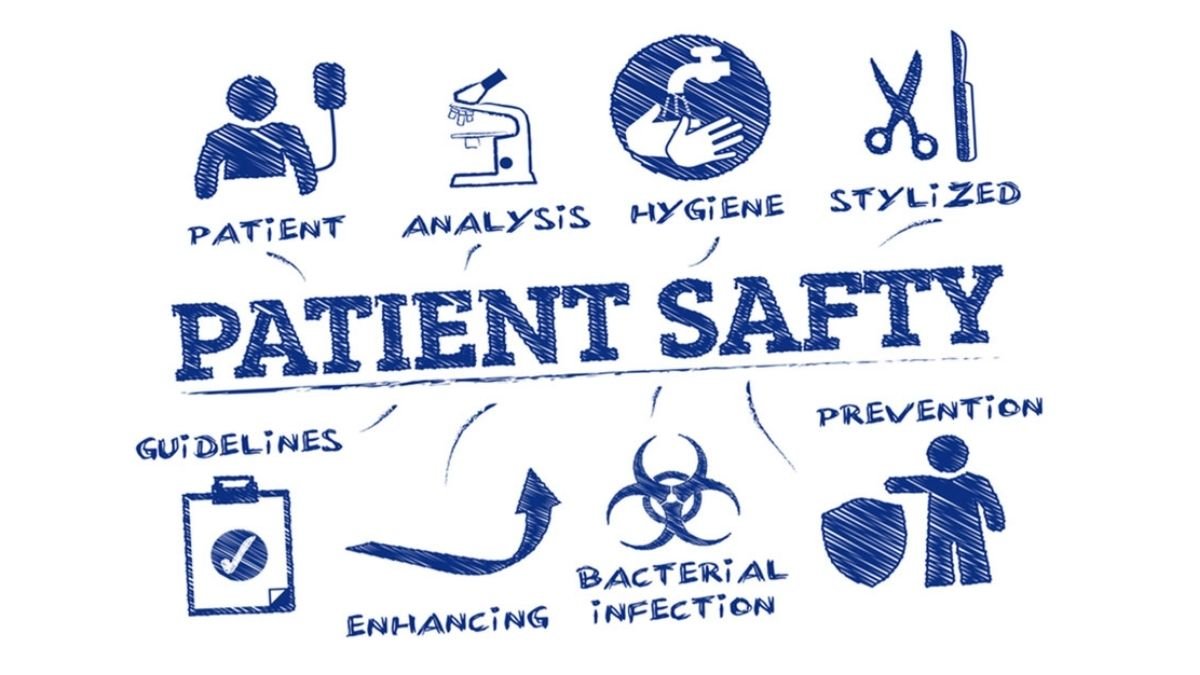
Patient safety and the quality of healthcare are fundamental pillars of a well-functioning medical system. Every patient, regardless of location or condition, deserves care that is effective, safe, and respectful of their needs. Healthcare quality and patient safety are interconnected; one cannot exist without the other. While healthcare professionals work tirelessly to provide the best possible care, systematic strategies, policies, and technologies are necessary to ensure that safety and quality are maintained consistently. Understanding these concepts helps patients, providers, and policymakers make informed decisions that improve health outcomes.
The Importance of Patient Safety
Patient safety refers to preventing harm to patients during the process of healthcare delivery. This includes avoiding medical errors, reducing the risk of infections, and ensuring that treatments are appropriate and timely. For patients, safety is not just about avoiding mistakes; it is about feeling confident that the care they receive is reliable, consistent, and designed to protect them. A safe healthcare environment fosters trust between patients and healthcare providers, which is essential for effective treatment and recovery.
Understanding Healthcare Quality
Healthcare quality encompasses the effectiveness, efficiency, accessibility, and patient-centeredness of medical care. High-quality healthcare means that patients receive services that meet established standards, are based on the best available evidence, and are delivered in a manner that respects patient preferences and needs. Quality care improves outcomes, reduces complications, and enhances the overall experience of healthcare. While patient safety focuses on preventing harm, healthcare quality ensures that the care itself achieves the desired results.
The Interconnection Between Safety and Quality
Patient safety and healthcare quality are closely linked. A healthcare system that prioritizes quality will naturally support patient safety, as both aim to optimize outcomes and minimize harm. For example, following clinical guidelines and protocols ensures that treatments are effective and that risks are mitigated. Similarly, monitoring patient outcomes and implementing safety measures highlights areas where care can be improved. When safety and quality are aligned, healthcare systems can deliver care that is both reliable and effective.
Common Threats to Patient Safety
Despite the best intentions, patients can be exposed to risks in healthcare settings. Common threats include medication errors, surgical complications, healthcare-associated infections, misdiagnoses, and communication failures among healthcare teams. Each of these threats can lead to serious harm, extended hospital stays, or even mortality. Understanding these risks is the first step toward creating strategies to prevent them and improve overall safety.
Strategies for Ensuring Patient Safety
Healthcare organizations implement a variety of strategies to promote patient safety. Standardized procedures, safety checklists, and electronic health records help reduce human errors. Regular staff training and a culture that encourages reporting mistakes without fear of punishment also improve safety outcomes. These strategies ensure that safety is not dependent solely on individual vigilance but is embedded into the structure and culture of healthcare delivery.
Quality Improvement Initiatives
Improving healthcare quality requires continuous assessment and adaptation. Quality improvement initiatives often include monitoring patient outcomes, evaluating care processes, and implementing evidence-based practices. Hospitals and clinics use data analytics to identify trends, highlight areas of concern, and measure the effectiveness of interventions. Continuous quality improvement ensures that healthcare delivery evolves in response to new knowledge, technologies, and patient needs.
The Role of Healthcare Professionals
Healthcare professionals play a central role in maintaining patient safety and quality care. Doctors, nurses, pharmacists, and other staff members are responsible for accurate diagnosis, appropriate treatment, and vigilant monitoring of patient conditions. Effective communication among team members is critical, as it prevents misunderstandings that can lead to errors. Professionals who prioritize safety and quality not only reduce risks but also inspire confidence in their patients.
Patient Engagement and Education
Patients themselves are vital participants in ensuring safety and quality. Educated patients who understand their treatments, medications, and care plans can actively prevent mistakes and advocate for their needs. Engaging patients through clear communication, educational materials, and shared decision-making enhances their understanding and encourages compliance with care recommendations. A collaborative approach between healthcare providers and patients strengthens safety and improves outcomes.
Technology and Patient Safety
Advancements in technology have transformed the landscape of patient safety and healthcare quality. Electronic health records enable accurate documentation and reduce errors related to patient information. Automated alerts and medication management systems prevent mistakes in prescriptions. Telemedicine and remote monitoring allow timely interventions and continuous care, reducing the likelihood of complications. Technology, when integrated thoughtfully, empowers healthcare providers to deliver safer, higher-quality care.
Monitoring and Reporting Systems
Monitoring and reporting systems are essential for maintaining safety and quality. Hospitals use adverse event reporting, incident tracking, and patient feedback mechanisms to identify potential risks. By analyzing these reports, healthcare organizations can implement preventive measures and refine care processes. Transparent reporting fosters a culture of accountability and continuous learning, which is critical for sustaining improvements over time.
Healthcare Policies and Accreditation
Healthcare policies and accreditation standards play a vital role in establishing expectations for safety and quality. Regulatory bodies define minimum standards for hospitals, clinics, and healthcare professionals. Compliance with these standards ensures that organizations maintain a baseline level of care and adopt best practices. Accreditation programs also encourage ongoing improvements and help patients identify healthcare providers committed to excellence.
The Role of Evidence-Based Practice
Evidence-based practice is central to both patient safety and quality healthcare. By relying on research and clinical evidence, healthcare providers can make informed decisions that maximize benefits and minimize risks. Evidence-based guidelines standardize care, reduce variability, and improve predictability in outcomes. For patients, this means receiving treatments that are proven to be effective and safe, enhancing trust in the healthcare system.
Challenges in Achieving Safety and Quality
Despite advances, achieving consistent patient safety and high-quality care remains challenging. Resource limitations, staffing shortages, and complex medical conditions can create vulnerabilities. Human error is inevitable, but systems and protocols are designed to mitigate its impact. Ongoing education, process improvement, and investment in technology are necessary to overcome these challenges and sustain high standards of care.
The Importance of a Safety Culture
A strong culture of safety within healthcare organizations is essential. This culture emphasizes transparency, teamwork, and continuous improvement. Staff members are encouraged to speak up about potential risks, share lessons learned from errors, and collaborate to enhance care processes. A positive safety culture reduces harm, fosters accountability, and supports a learning environment where quality care is consistently delivered.
Measuring Healthcare Quality
Healthcare quality is measured through various indicators, such as patient outcomes, readmission rates, infection rates, and patient satisfaction. These measures provide insight into how well healthcare organizations perform and where improvements are needed. Benchmarking against best practices and national standards helps hospitals and clinics identify gaps and prioritize interventions. Measurement drives accountability and ensures that quality remains a focus in every aspect of care.
Patient-Centered Care
Patient-centered care is a cornerstone of both safety and quality. It emphasizes respect for patient preferences, needs, and values, ensuring that patients are active participants in their care. By listening to patients and incorporating their input into care plans, healthcare providers can prevent misunderstandings, reduce errors, and improve satisfaction. Patient-centered approaches strengthen the connection between quality outcomes and positive healthcare experiences.
The Future of Patient Safety and Quality
The future of healthcare will continue to emphasize safety and quality through technology, innovation, and patient engagement. Artificial intelligence, predictive analytics, and precision medicine promise to enhance decision-making, reduce errors, and personalize care. As healthcare systems evolve, the integration of safety and quality principles will remain central, ensuring that advancements benefit patients while maintaining the highest standards of care.
Conclusion
Patient safety and quality of healthcare are inseparable elements of effective medical care. Safety ensures that patients are protected from harm, while quality ensures that the care delivered is effective, efficient, and patient-centered. Together, they create a healthcare environment where patients can trust that their well-being is the top priority. Through continuous improvement, technology integration, patient engagement, and evidence-based practices, healthcare systems can maintain high standards and deliver care that is both safe and exceptional. For patients and providers alike, focusing on safety and quality is the path to better outcomes, greater satisfaction, and a stronger, more reliable healthcare system.











Leave a Reply