

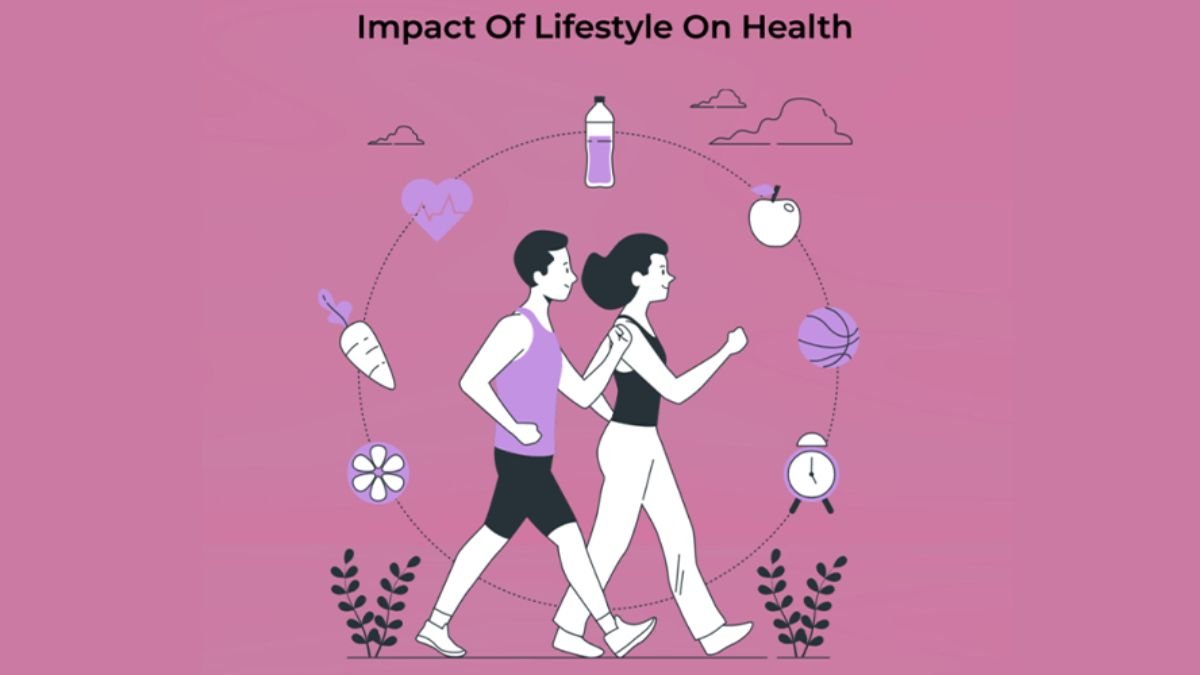
The way we live our lives today has a profound impact on our health decades down the line. Lifestyle choices, which might seem small or insignificant in the moment, accumulate over time to shape our physical, mental, and emotional well-being. From the food we eat to the amount of sleep we get, every decision plays a role in determining the quality and longevity of our lives. While genetics and environmental factors do influence health, lifestyle is something over which we have a substantial amount of control. Understanding the intricate link between our daily habits and long-term health can empower us to make choices that promote a healthier, more fulfilling life.
The Role of Nutrition
One of the most significant lifestyle factors affecting long-term health is nutrition. The food we consume not only provides the energy needed for daily activities but also supplies the essential nutrients that maintain body functions and prevent disease. A diet rich in fresh fruits, vegetables, whole grains, lean proteins, and healthy fats can protect against chronic illnesses such as heart disease, diabetes, and certain types of cancer. Conversely, a diet high in processed foods, sugar, and unhealthy fats can increase inflammation in the body, weaken the immune system, and accelerate aging.
Nutrition also affects mental health. Studies have shown that poor dietary choices can contribute to depression, anxiety, and cognitive decline over time. On the other hand, diets high in antioxidants, vitamins, and minerals support brain function and emotional stability. It is not just what we eat, but also how we eat, that matters. Mindful eating, portion control, and maintaining a balanced intake of nutrients are crucial elements of a lifestyle that promotes long-term health.
Physical Activity and Fitness
Another essential component of a healthy lifestyle is regular physical activity. Exercise strengthens the heart, improves lung capacity, enhances muscle and bone health, and helps maintain a healthy weight. Beyond these physical benefits, exercise has a profound impact on mental health, reducing stress, anxiety, and symptoms of depression.
Sedentary lifestyles have become increasingly common, particularly in urban environments where work often involves sitting for long hours. This lack of activity contributes to obesity, cardiovascular disease, and metabolic disorders. In contrast, incorporating even moderate amounts of daily movement, such as walking, cycling, or swimming, can significantly improve long-term health outcomes. Fitness routines that combine cardiovascular activity, strength training, and flexibility exercises offer the most comprehensive benefits.
Moreover, exercise influences longevity. Research consistently shows that people who maintain an active lifestyle tend to live longer and enjoy better overall health in their later years. It also promotes better sleep quality, which is itself a critical factor in maintaining long-term well-being.
Sleep and Rest
Sleep is often underestimated when it comes to its role in long-term health. The human body requires regular, restorative sleep to repair tissues, consolidate memories, and regulate hormones. Chronic sleep deprivation has been linked to numerous health problems, including obesity, diabetes, cardiovascular disease, and impaired cognitive function.
Quality sleep is also essential for mental health. Lack of sleep can increase stress, irritability, and vulnerability to anxiety and depression. Over time, sleep deprivation can weaken the immune system, making the body more susceptible to infections and chronic illnesses. Establishing a consistent sleep schedule, creating a calm sleep environment, and limiting screen time before bed are all effective strategies for improving sleep quality.
Rest is equally important. Beyond sleep, taking time to relax and recover from daily stresses helps maintain both physical and emotional health. Chronic stress without adequate recovery can contribute to high blood pressure, digestive problems, and even accelerated aging. Incorporating mindfulness, meditation, or simply quiet reflection into daily routines can provide a much-needed reset for the body and mind.
Stress Management
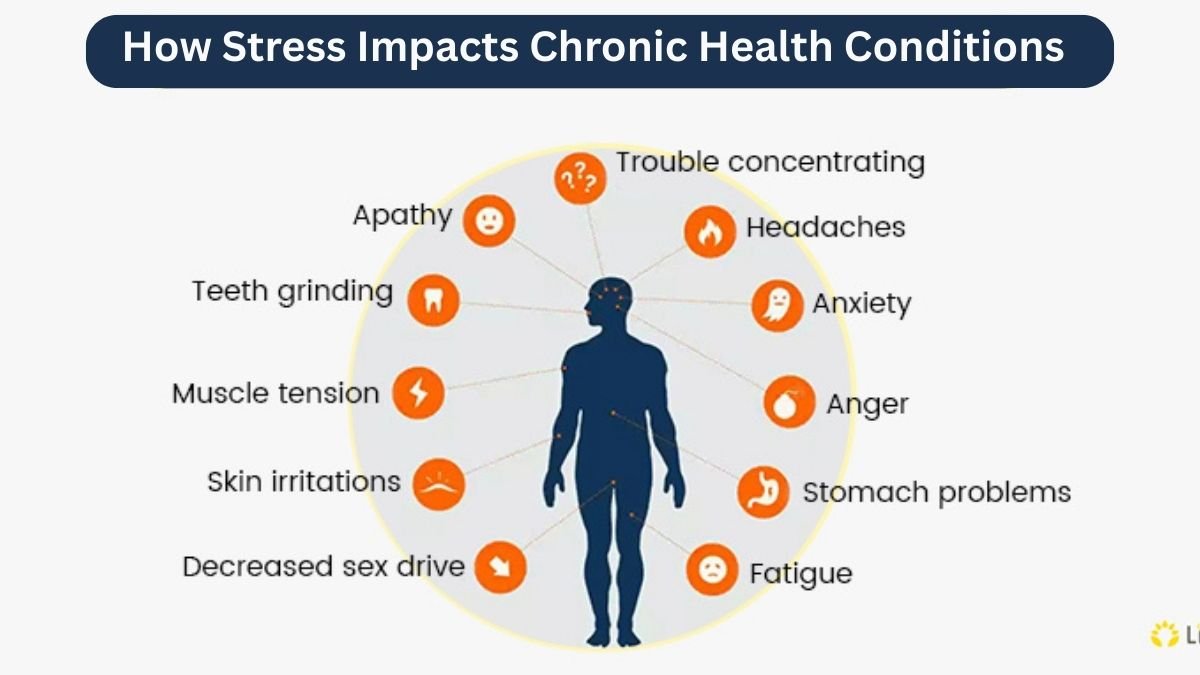
Stress is an unavoidable part of life, but how it is managed can greatly influence long-term health. Chronic stress triggers the release of hormones such as cortisol and adrenaline, which in excess can harm the cardiovascular system, impair immune function, and increase the risk of chronic diseases.
Effective stress management techniques include regular exercise, social support, mindfulness practices, and hobbies that promote relaxation. Developing coping strategies to deal with life’s challenges prevents stress from becoming a persistent health threat. Mental resilience, which can be strengthened through meditation, deep-breathing exercises, and self-reflection, is a crucial aspect of a healthy lifestyle that ensures long-term well-being.
It is also important to recognize the impact of work-life balance on stress levels. Long working hours, lack of leisure time, and constant exposure to digital devices can heighten stress and fatigue. Prioritizing personal time, setting boundaries, and engaging in activities that bring joy are essential steps toward mitigating the negative effects of stress on long-term health.
Social Connections
Human beings are inherently social creatures, and the quality of our social interactions has a significant effect on health. Strong social connections can improve longevity, reduce stress, and protect against cognitive decline. Conversely, social isolation and loneliness are associated with higher rates of depression, anxiety, and even cardiovascular disease.
Maintaining close relationships, participating in community activities, and fostering a supportive network of friends and family contribute to emotional resilience and overall health. Social engagement encourages physical activity, mental stimulation, and emotional support, all of which play a role in preventing chronic illnesses.
Avoiding Harmful Habits
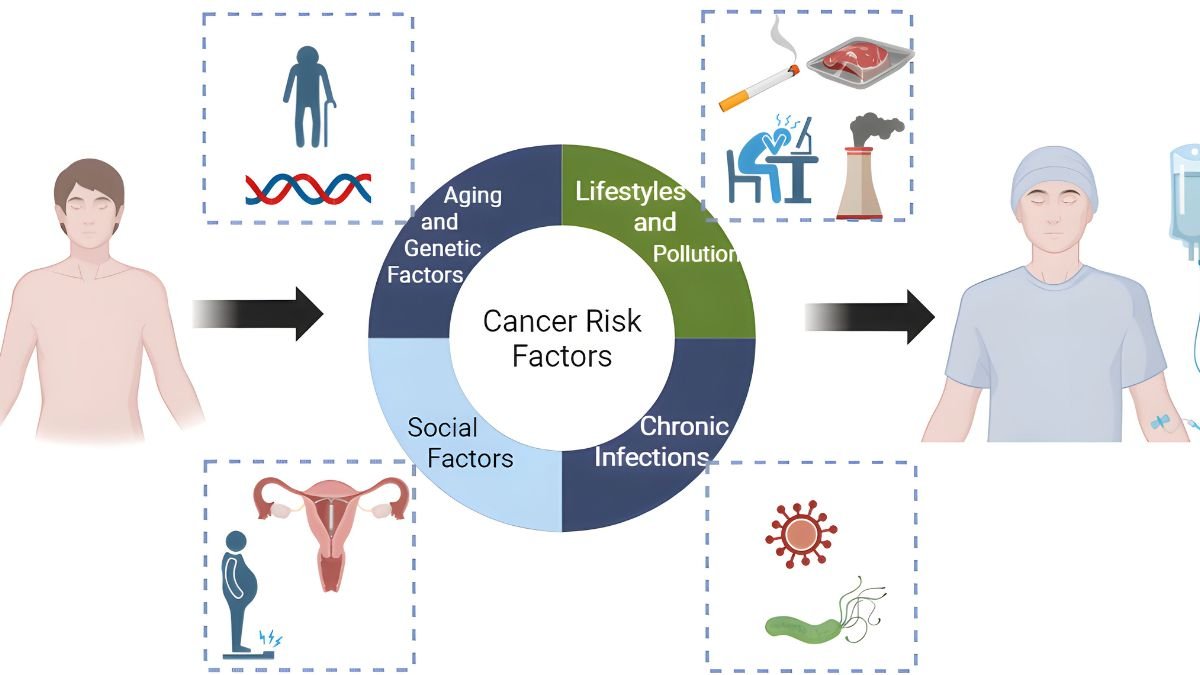
Lifestyle choices also involve avoiding harmful behaviors such as smoking, excessive alcohol consumption, and drug abuse. Smoking is a major contributor to respiratory diseases, heart disease, and cancer. Alcohol, when consumed in excess, damages the liver, increases blood pressure, and impairs brain function. Drug abuse, beyond its immediate risks, can lead to long-term mental and physical health issues.
Making conscious efforts to reduce or eliminate these harmful habits significantly improves long-term health outcomes. Public health campaigns, support groups, and education about the dangers of these behaviors are vital for encouraging healthier lifestyles. Adopting positive habits, such as moderate alcohol consumption, avoiding tobacco, and steering clear of recreational drugs, is a foundational step toward a long and healthy life.
Preventive Health Care
A proactive approach to health care is an essential component of a healthy lifestyle. Regular check-ups, screenings, and vaccinations help detect potential problems early, before they become serious. Preventive care, coupled with lifestyle management, allows individuals to address risks associated with heart disease, diabetes, cancer, and other chronic conditions.
Preventive health also includes maintaining good hygiene, monitoring weight, and staying informed about personal health risks. Individuals who take an active role in their health management are better equipped to make informed decisions that support long-term wellness. Prevention, after all, is far more effective and less costly than treating advanced diseases.
Mental and Emotional Well-Being
Lifestyle affects not only physical health but also mental and emotional well-being. Regular mental stimulation, creative pursuits, and engagement in meaningful activities are all important for sustaining cognitive function and emotional balance. Maintaining hobbies, learning new skills, and exploring interests provide a sense of purpose and fulfillment, which positively impacts overall health.
Equally important is the practice of gratitude and self-reflection. Positive thinking, mindfulness, and emotional awareness can help reduce the negative effects of stress, improve mood, and strengthen resilience. Mental health is intertwined with physical health, and neglecting one often compromises the other. A well-rounded lifestyle nurtures both mind and body in tandem.
Long-Term Consequences of Lifestyle Choices
The cumulative effects of lifestyle choices become more evident with age. Poor diet, lack of exercise, chronic stress, inadequate sleep, and harmful habits gradually contribute to the development of chronic diseases and reduced life expectancy. On the other hand, a balanced, health-conscious lifestyle can delay the onset of disease, improve functional capacity in older age, and enhance quality of life.
Research consistently shows that individuals who adopt healthy lifestyles experience fewer hospitalizations, maintain independence longer, and enjoy a more active and fulfilling later life. The benefits extend beyond the individual, influencing families and communities by reducing healthcare costs and promoting social well-being.
Conclusion
In the end, the choices we make every day shape our future health in profound ways. Nutrition, exercise, sleep, stress management, social connections, avoidance of harmful habits, preventive health care, and mental well-being collectively determine our long-term health outcomes. While genetics and environmental factors cannot be ignored, lifestyle remains the single most modifiable determinant of health.
Embracing a balanced, health-conscious lifestyle is not about perfection but consistency. Small, intentional changes in daily routines can accumulate over time, creating a foundation for a healthier, longer, and more vibrant life. By prioritizing self-care, making informed decisions, and nurturing both body and mind, we can not only extend our lifespan but also enhance the quality of the years we live. Ultimately, how we choose to live today is how our future selves will feel, and every positive lifestyle choice is an investment in long-term health and well-being.






Leave a Reply