

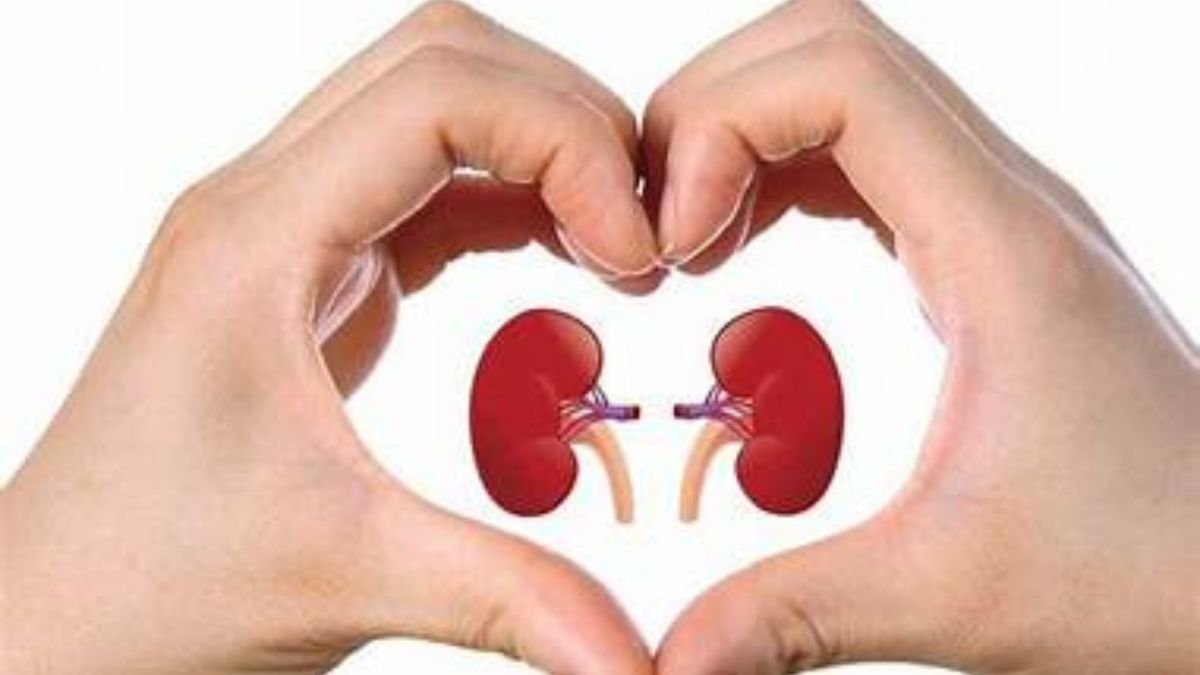
Our heart and kidneys are two of the most vital organs in the body, each playing a crucial role in maintaining overall health. The heart pumps blood and nutrients to every part of the body, while the kidneys filter waste and excess fluids from the bloodstream, balancing electrolytes and blood pressure. Despite their importance, these organs are highly susceptible to diseases, often due to lifestyle habits, diet, and environmental factors. The good news is that through preventive care and conscious lifestyle choices, we can significantly reduce the risk of heart and kidney problems. This article explores effective preventive strategies to protect these organs, enhance their function, and promote long-term health.
Understanding Heart and Kidney Health
Before diving into preventive measures, it is important to understand how the heart and kidneys are interconnected. The heart relies on the kidneys to maintain optimal blood pressure and fluid balance. Conversely, healthy kidneys depend on proper blood flow provided by a strong and well-functioning heart. Any dysfunction in one organ often affects the other, a condition known as cardiorenal syndrome. High blood pressure, diabetes, and obesity are common factors that can damage both organs over time. Recognizing the early signs of trouble, such as fatigue, swelling, shortness of breath, or abnormal lab results, is crucial for timely intervention.
Maintaining a Heart-Healthy Diet
Diet plays a foundational role in preventing both heart and kidney disease. A heart-healthy diet is naturally kidney-friendly, as both organs benefit from reduced sodium, low saturated fats, and controlled sugar intake. Fresh fruits, vegetables, whole grains, and lean protein sources such as fish, chicken, or legumes should form the core of daily meals. Reducing the consumption of processed foods, canned items, and fast food helps prevent excess salt, sugar, and unhealthy fats from burdening the heart and kidneys. Foods rich in antioxidants, like berries, nuts, and leafy greens, combat oxidative stress, which is a major contributor to arterial and kidney damage. Additionally, staying hydrated with adequate water intake helps the kidneys filter toxins effectively, while also supporting cardiovascular function.
Regular Physical Activity
Exercise is one of the most effective preventive strategies for maintaining heart and kidney health. Engaging in at least 150 minutes of moderate-intensity exercise per week, such as brisk walking, cycling, or swimming, improves blood circulation, strengthens the heart muscle, and helps maintain healthy blood pressure. Physical activity also reduces body fat and improves insulin sensitivity, which lowers the risk of diabetes—a major risk factor for both heart and kidney disease. Incorporating strength training exercises twice a week can further enhance overall cardiovascular health and promote muscle mass, which supports metabolic balance and helps prevent obesity-related kidney stress. The key is consistency, as even small daily activities like walking after meals or using stairs instead of elevators contribute significantly to long-term organ health.
Managing Blood Pressure and Cholesterol
High blood pressure and elevated cholesterol levels are silent killers that significantly increase the risk of heart attacks, strokes, and kidney disease. Preventive care requires regular monitoring of both blood pressure and lipid profiles. Lifestyle modifications, such as reducing sodium intake, exercising regularly, and avoiding excessive alcohol consumption, are fundamental in controlling blood pressure. Similarly, a diet rich in soluble fiber from oats, beans, and fruits can help lower LDL cholesterol. In some cases, medication may be necessary under medical guidance to achieve target blood pressure or cholesterol levels. Maintaining these parameters within healthy ranges ensures reduced strain on the heart and prevents damage to the delicate filtering units in the kidneys.
Controlling Blood Sugar Levels
Diabetes is a leading cause of both heart and kidney disease. Elevated blood sugar levels can damage blood vessels, impair heart function, and reduce kidney filtration efficiency. Preventive strategies include regular monitoring of blood glucose, consuming a balanced diet with low glycemic index foods, and staying physically active. Avoiding excessive sugary drinks, refined carbohydrates, and highly processed foods can help regulate blood sugar naturally. For individuals at risk, early intervention and lifestyle adjustments can prevent the onset of diabetes, thereby reducing the risk of heart attacks and chronic kidney disease later in life. Maintaining healthy blood sugar levels is not only protective but also promotes overall vitality and energy.
Avoiding Smoking and Excessive Alcohol
Smoking and excessive alcohol consumption are major risk factors for heart and kidney disease. Tobacco smoke contains harmful chemicals that damage blood vessels, increase blood pressure, and accelerate arterial plaque buildup, leading to cardiovascular events. Similarly, heavy alcohol intake can weaken the heart muscle, disrupt blood pressure regulation, and strain the liver and kidneys. Quitting smoking and moderating alcohol intake are critical preventive measures. Even occasional smoking can have cumulative negative effects, so complete cessation is ideal. On the other hand, moderate alcohol consumption—if at all—should be approached cautiously and under guidance, as the potential risks often outweigh the benefits for heart and kidney health.
Maintaining a Healthy Weight
Obesity places significant stress on both the heart and kidneys. Excess body weight increases the risk of hypertension, diabetes, and high cholesterol, all of which are leading contributors to heart attacks and kidney dysfunction. Achieving and maintaining a healthy weight through a combination of balanced diet and regular exercise is crucial. Even modest weight loss, such as 5-10% of total body weight, can have significant positive effects on blood pressure, cholesterol levels, and kidney function. Moreover, maintaining a healthy weight improves overall energy levels, reduces joint stress, and enhances quality of life, making it easier to engage in daily physical activities that support long-term organ health.
Regular Health Check-Ups
Preventive healthcare relies heavily on early detection of potential problems. Regular check-ups with a physician allow for monitoring of blood pressure, cholesterol, kidney function, and heart health. Tests such as blood panels, urine analysis, and imaging studies can identify early signs of dysfunction before symptoms appear. People with family history of heart or kidney disease should be particularly vigilant. Annual check-ups, combined with lifestyle management, provide the best opportunity to prevent disease progression and enable timely interventions. Additionally, consulting a healthcare professional for personalized advice on diet, exercise, and supplements can optimize heart and kidney protection.
Stress Management and Mental Health
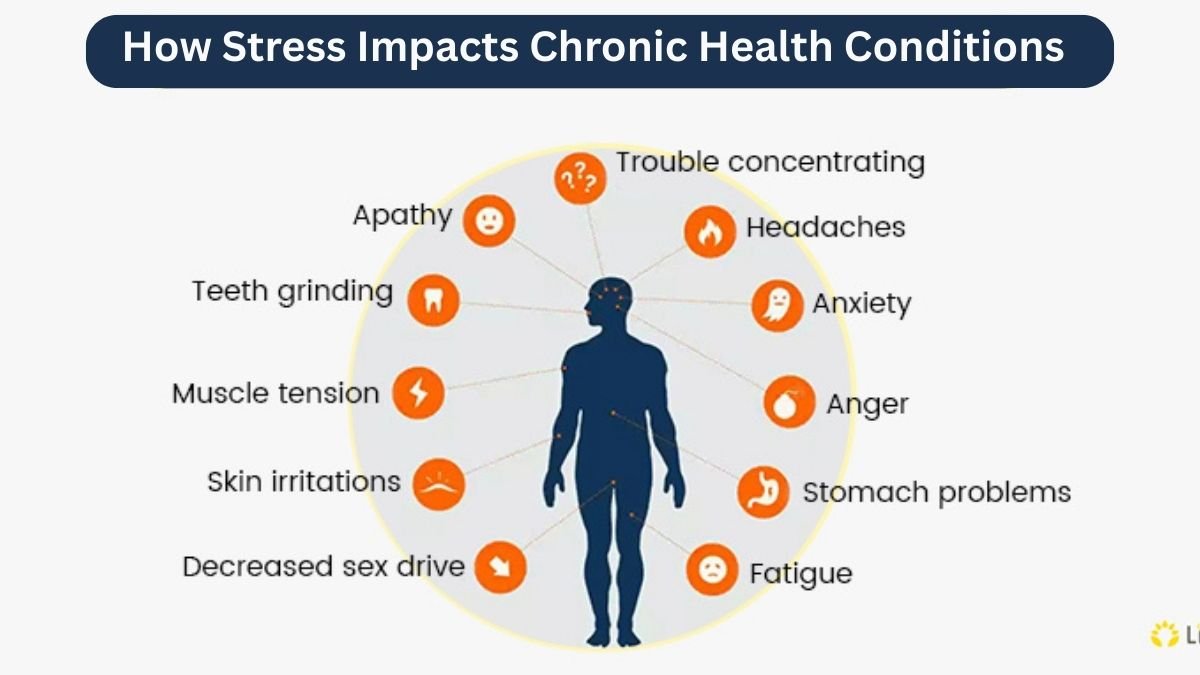
Chronic stress has a profound impact on heart and kidney health. Stress triggers the release of hormones like cortisol and adrenaline, which can elevate blood pressure, increase heart rate, and contribute to inflammation within blood vessels. Over time, this can lead to heart disease and affect kidney function. Incorporating stress management techniques such as meditation, yoga, deep breathing exercises, or even hobbies that promote relaxation can have significant protective effects. Adequate sleep, social connection, and mindfulness practices are equally important in reducing the cumulative impact of stress on these vital organs. Mental well-being and physical health are deeply interconnected, and managing stress is a crucial component of preventive care.
Avoiding Overuse of Medications
While medications are often necessary for managing specific health conditions, overuse or misuse of drugs can harm the kidneys and the heart. Nonsteroidal anti-inflammatory drugs (NSAIDs), for example, can cause kidney damage if taken frequently over long periods. Similarly, certain medications may affect blood pressure or heart rhythm. Always consult a healthcare provider before starting new medications and adhere strictly to prescribed dosages. Understanding the potential side effects and interactions of medications helps prevent unnecessary strain on these vital organs, ensuring that treatment enhances rather than compromises health.
Conclusion
Preventing heart and kidney disease requires a holistic approach that combines a balanced diet, regular exercise, weight management, and mindful lifestyle choices. Monitoring vital parameters like blood pressure, cholesterol, and blood sugar, along with avoiding smoking and excessive alcohol, greatly reduces the risk of long-term complications. Mental health, stress management, and regular medical check-ups further strengthen the body’s defense against organ damage. By prioritizing these preventive measures today, we not only protect the heart and kidneys but also enhance overall well-being, energy, and quality of life. Health is truly wealth, and a proactive approach to prevention ensures that our most vital organs continue to function optimally for years to come.








Leave a Reply