

Modern medicine is no longer guided only by experience and intuition. While clinical judgment remains essential, data has become one of the most powerful tools helping doctors make better, faster, and more accurate decisions. From diagnosing illnesses to choosing treatments and predicting outcomes, data quietly shapes nearly every step of patient care. Behind every test result, scan, and medical record lies valuable information that helps doctors understand not just one patient, but patterns across millions of lives. When used thoughtfully, data transforms healthcare into a more precise, personalized, and effective system.
The Growing Importance of Data in Healthcare
Healthcare today generates an enormous amount of data. Every hospital visit, laboratory test, prescription, and imaging scan adds to a growing pool of information. Doctors rely on this data to see the bigger picture of a patient’s health rather than focusing on isolated symptoms. As medical knowledge expands and diseases become more complex, data helps doctors stay informed and make decisions based on evidence rather than guesswork. This shift toward data-driven care has significantly improved the accuracy and reliability of medical decisions.
Improving Diagnosis Through Data
One of the most critical ways data helps doctors is by improving diagnosis. Symptoms can often overlap between different diseases, making diagnosis challenging. By analyzing patient data such as medical history, lab results, imaging reports, and genetic information, doctors can identify patterns that point toward specific conditions. Advanced diagnostic tools powered by data help reduce errors and speed up the process of identifying illnesses. Early and accurate diagnosis not only saves time but also increases the chances of successful treatment.
Supporting Evidence-Based Medicine
Evidence-based medicine relies on data collected from clinical studies, patient outcomes, and medical research. Doctors use this evidence to choose treatments that have been proven to work for specific conditions. Instead of relying solely on personal experience, physicians can compare their patient’s condition with large datasets that show what has worked best for others in similar situations. This approach ensures that care decisions are grounded in scientific research and continuously updated medical knowledge.
Personalizing Patient Care
Every patient is unique, and data allows doctors to move beyond one-size-fits-all treatment plans. By examining individual health records, lifestyle factors, genetic markers, and past responses to treatment, doctors can tailor care to meet each patient’s specific needs. Personalized medicine improves treatment effectiveness and reduces the risk of side effects. Data helps doctors understand how different patients may respond differently to the same treatment, leading to more thoughtful and customized care.
Enhancing Treatment Decisions
Choosing the right treatment can be complex, especially when multiple options are available. Data helps doctors weigh the benefits and risks of each choice by analyzing outcomes from similar cases. Information about treatment success rates, potential complications, and long-term effects supports better decision-making. Doctors can use this data to discuss options clearly with patients, helping them understand what to expect and feel more confident in their care decisions.
Monitoring Patient Progress Over Time
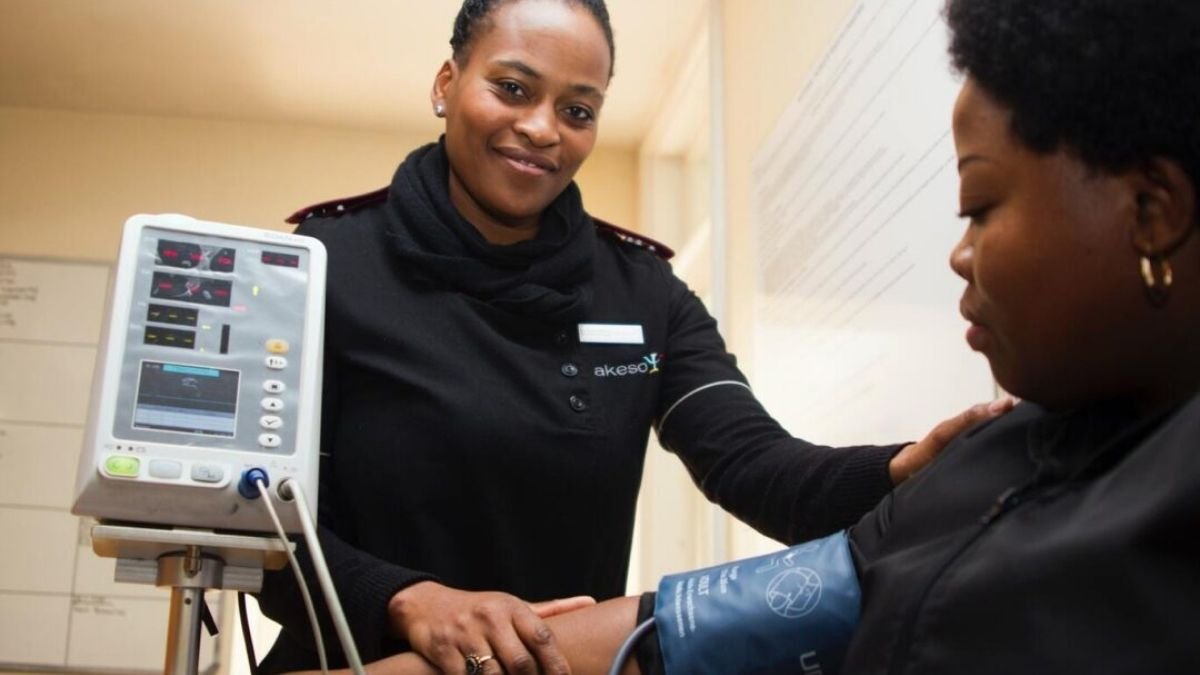
Data plays a vital role in tracking how patients respond to treatment. Regular monitoring of vital signs, lab results, and reported symptoms provides doctors with ongoing insight into a patient’s condition. If data shows that a treatment is not working as expected, doctors can adjust the plan early rather than waiting for symptoms to worsen. Continuous data monitoring supports proactive care and helps prevent complications before they become serious.
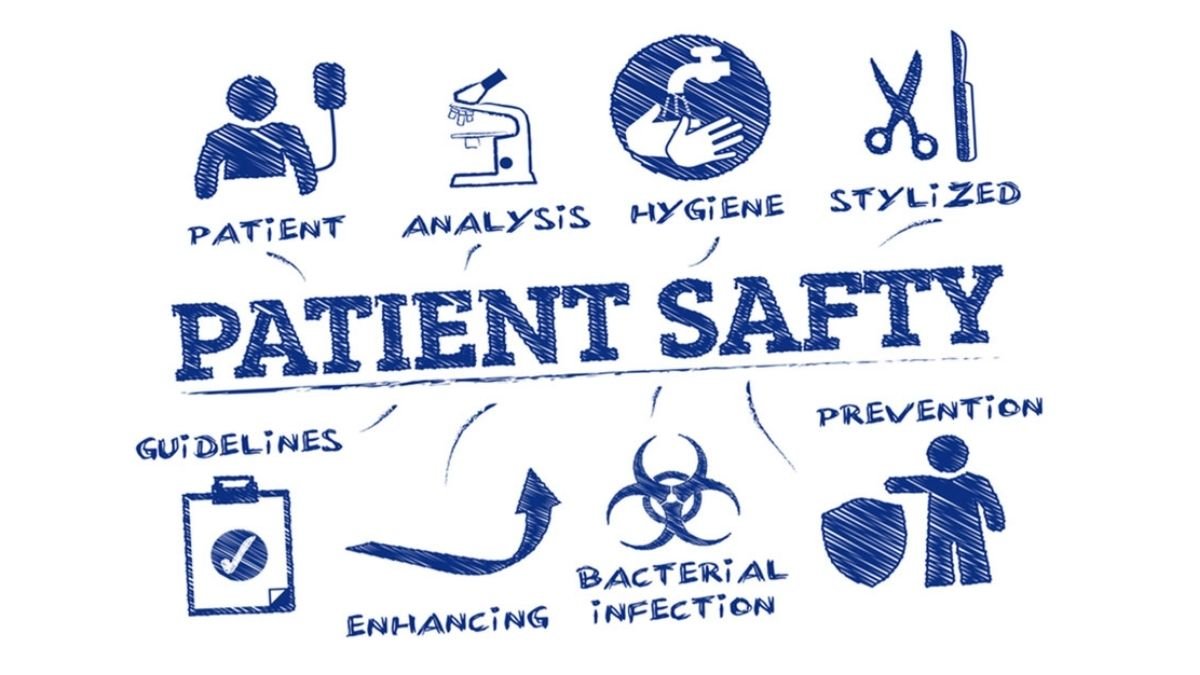
Reducing Medical Errors
Medical errors can occur when information is incomplete, outdated, or misinterpreted. Data systems help reduce these risks by organizing patient information in one place and making it easily accessible. Electronic health records allow doctors to review a patient’s history, allergies, medications, and previous treatments quickly and accurately. Access to reliable data improves communication among healthcare providers and helps ensure safer, more consistent care.
Predicting Health Risks and Outcomes
Data allows doctors to identify potential health risks before they turn into serious problems. By analyzing trends and risk factors, doctors can predict the likelihood of conditions such as heart disease, diabetes, or complications after surgery. Predictive data helps doctors recommend preventive measures, lifestyle changes, or early interventions that can significantly improve long-term health outcomes. This forward-looking approach shifts healthcare from reactive treatment to proactive prevention.
Supporting Faster Decision-Making in Critical Situations
In emergency and critical care settings, time is often limited. Data helps doctors make rapid decisions by providing immediate access to vital information. Real-time data from monitoring devices, lab tests, and imaging tools supports quick assessments and timely interventions. When seconds matter, having accurate data readily available can mean the difference between life and death.
Improving Communication With Patients
Data also enhances communication between doctors and patients. Visual data, charts, and clear test results help doctors explain medical conditions and treatment plans more effectively. When patients understand their health information, they are more likely to follow treatment recommendations and actively participate in their care. Transparent use of data builds trust and strengthens the doctor-patient relationship.
Learning From Large-Scale Health Data
Beyond individual patient care, data helps doctors learn from broader health trends. Large datasets reveal patterns about disease outbreaks, treatment effectiveness, and population health. Doctors benefit from insights gained through public health data, research studies, and global health monitoring. This shared knowledge improves decision-making not only for individual patients but also for communities and healthcare systems as a whole.
Supporting Continuous Medical Learning
Medicine is constantly evolving, and data helps doctors keep up with new discoveries and best practices. Clinical data and research findings inform updated guidelines and treatment protocols. Doctors use this information to refine their skills and improve care quality over time. Data-driven learning ensures that medical decisions reflect the most current and reliable knowledge available.
Addressing Challenges and Limitations
While data is powerful, it is not without challenges. Doctors must ensure that data is accurate, complete, and interpreted correctly. Too much information can sometimes be overwhelming, and not all data applies equally to every patient. Ethical considerations such as privacy and data security are also essential. Doctors must balance data insights with human judgment, empathy, and experience to provide truly effective care.
The Role of Technology in Data-Driven Decisions
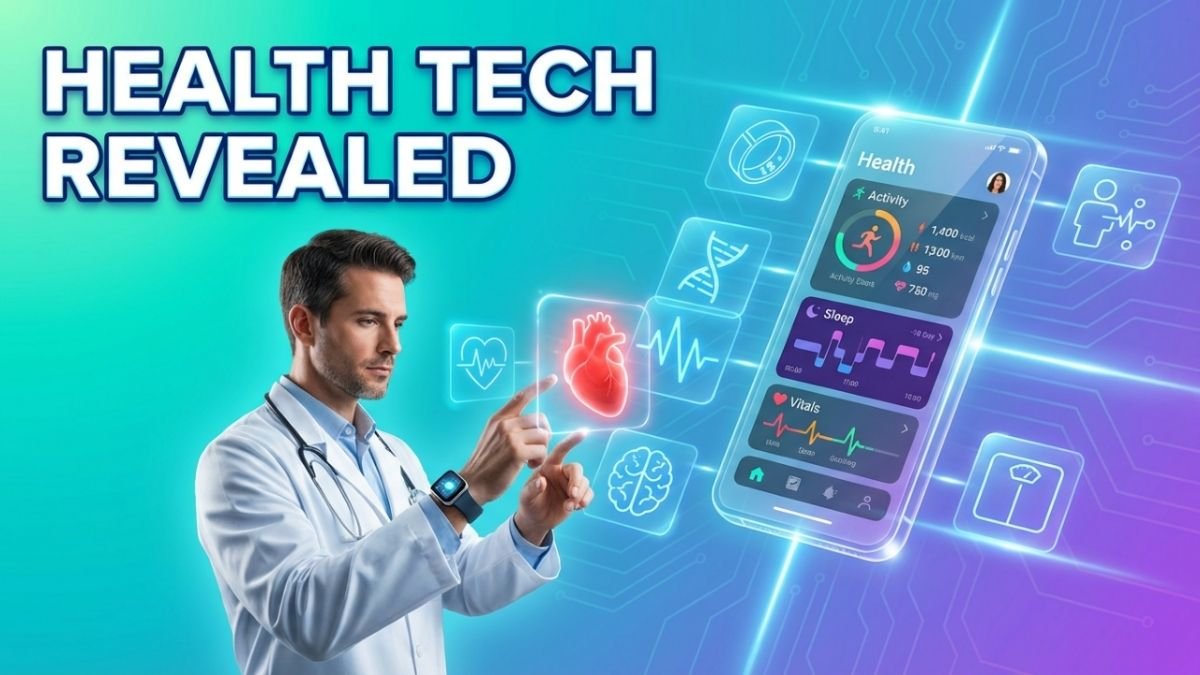
Technology plays a crucial role in turning raw data into useful insights. Advanced software systems, analytics tools, and artificial intelligence help doctors identify patterns and trends that might otherwise go unnoticed. These technologies support decision-making without replacing the human element of care. Doctors remain responsible for interpreting data within the context of each patient’s unique situation.
Building Trust in Data-Based Healthcare
For data-driven medicine to succeed, trust is essential. Patients must feel confident that their information is handled responsibly and used for their benefit. Doctors, in turn, must trust the quality and relevance of the data they rely on. Clear communication about how data supports medical decisions helps build confidence and encourages collaboration between patients and healthcare providers.
The Future of Data in Medical Decision-Making
As healthcare continues to advance, the role of data will only grow stronger. Improved data collection, better analytics, and more integrated systems will further enhance medical decision-making. Doctors will have even greater ability to predict disease, personalize treatments, and improve outcomes. The future of medicine lies in combining compassionate care with intelligent use of data.
Conclusion
Data has become an essential partner in modern healthcare, helping doctors make better, more informed decisions at every stage of patient care. From diagnosis and treatment to prevention and long-term management, data provides clarity, accuracy, and confidence. When combined with medical expertise and human understanding, data transforms healthcare into a system that is safer, smarter, and more responsive to individual needs. By embracing data thoughtfully, doctors can continue to improve lives and deliver care that truly makes a difference.





Leave a Reply