

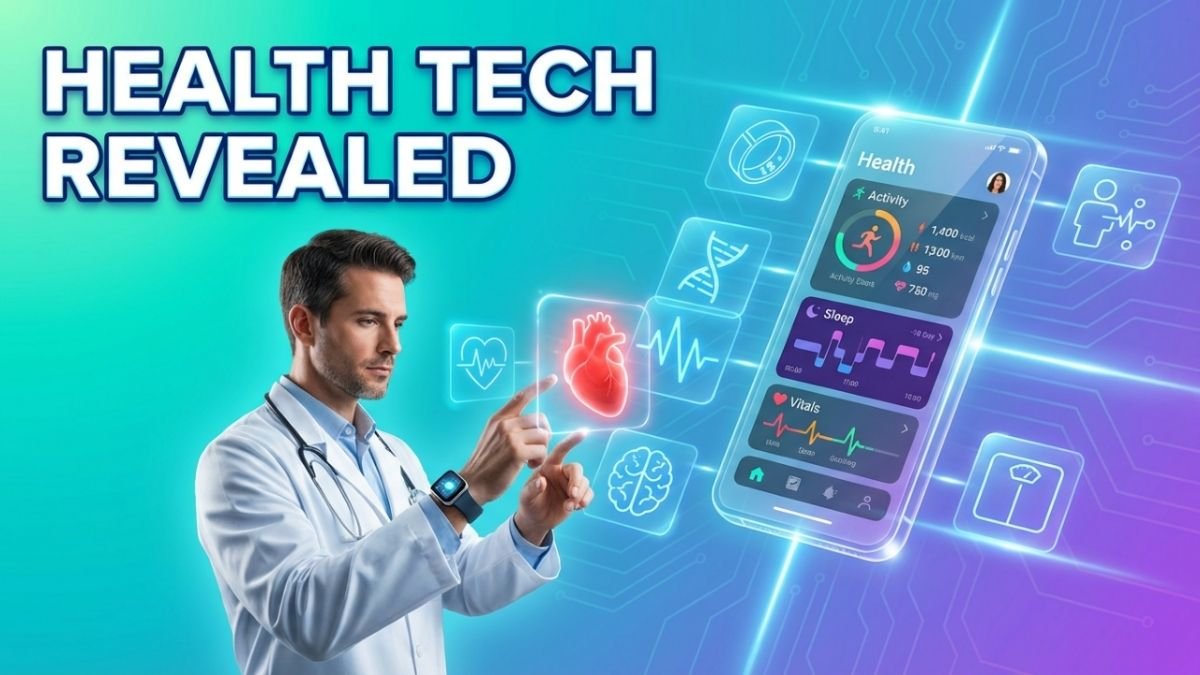
Healthcare is changing rapidly, and digital health tools are at the center of this transformation. From simple mobile apps to advanced monitoring systems, technology now supports how care is delivered, experienced, and managed. These tools are not replacing doctors or nurses, but they are enhancing their ability to provide timely, accurate, and patient-centered care. For patients, digital health tools bring healthcare closer to home, offering greater convenience, improved access, and more control over personal health.
The Rise of Digital Health in Everyday Healthcare
Digital health tools have become a natural part of modern life. People use smartphones, wearables, and online platforms daily, and healthcare has adapted to meet patients where they are. This shift has been driven by the need for faster communication, better coordination of care, and more efficient health systems. As technology has advanced, digital health tools have moved from optional extras to essential components of modern care.
Improving Access to Healthcare Services
One of the most significant roles of digital health tools is improving access to care. Telemedicine platforms allow patients to consult healthcare providers without traveling long distances or waiting weeks for appointments. This is especially important for people in rural areas, those with mobility challenges, or individuals managing chronic conditions. Digital access reduces barriers to care and ensures that more people receive timely medical attention.
Enhancing Patient Engagement and Involvement
Digital health tools encourage patients to take a more active role in their healthcare. Mobile health apps help individuals track symptoms, medications, physical activity, and nutrition. Patient portals provide access to medical records, test results, and appointment scheduling. When patients are engaged and informed, they are more likely to follow treatment plans and make healthier choices. This shared responsibility strengthens the relationship between patients and healthcare providers.
Supporting Remote Monitoring and Continuous Care
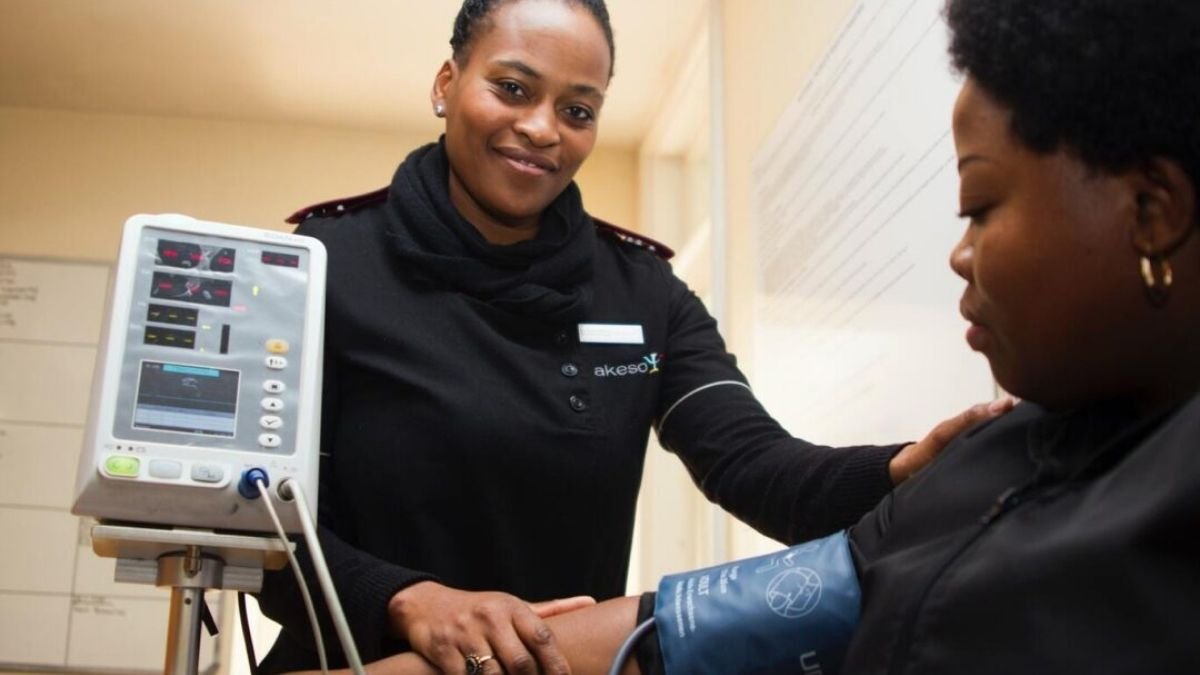
Remote monitoring tools play a vital role in modern care by allowing healthcare providers to track patient health outside clinical settings. Devices such as wearable monitors and home testing tools collect real-time data on vital signs, glucose levels, heart rhythms, and more. This continuous flow of information helps doctors identify changes early and adjust treatment plans before problems become serious. Remote monitoring is particularly valuable for managing chronic diseases and supporting aging populations.
Improving Clinical Decision-Making
Digital health tools provide healthcare professionals with accurate, up-to-date information that supports better decision-making. Electronic health records bring patient history, test results, and treatment plans together in one place. Clinical decision support systems analyze data and offer evidence-based recommendations. These tools help reduce errors, improve diagnosis, and ensure that care decisions are based on the most current medical knowledge.
Streamlining Healthcare Workflows
Efficiency is essential in modern healthcare, and digital tools help streamline workflows for medical staff. Automated systems reduce paperwork, improve scheduling, and support smoother communication among healthcare teams. By minimizing administrative burdens, digital health tools allow healthcare professionals to spend more time focusing on patient care. Improved efficiency also helps healthcare systems manage resources more effectively.
Enhancing Communication Between Patients and Providers
Clear communication is a cornerstone of quality care, and digital health tools make it easier than ever. Secure messaging platforms allow patients to ask questions, share updates, and receive guidance between visits. Video consultations enable face-to-face interaction even when in-person appointments are not possible. These tools support ongoing communication, helping patients feel connected and supported throughout their care journey.
Supporting Preventive Care and Early Detection
Digital health tools play a growing role in prevention and early detection of disease. Health apps and monitoring devices help track lifestyle habits and identify potential health risks. Early alerts and reminders encourage screenings, vaccinations, and routine checkups. By identifying issues early, digital tools help prevent complications and promote long-term health. Prevention-focused care benefits both patients and healthcare systems by reducing the burden of advanced disease.
Empowering Data-Driven Healthcare
Modern care relies heavily on data, and digital health tools make data collection and analysis more effective. Health data from multiple sources provides insights into patient trends and population health. This information helps healthcare providers tailor treatments and improve care strategies. Data-driven care supports better outcomes and helps healthcare systems respond to changing health needs more effectively.
Addressing Mental Health Needs
Digital health tools have expanded access to mental health care, an area that has long faced barriers. Online therapy platforms, mental health apps, and virtual support communities provide confidential and convenient options for care. These tools help reduce stigma and make mental health support more accessible. By integrating mental health services into digital care, healthcare systems can better address the full range of patient needs.
Improving Care for Chronic Conditions
For individuals living with chronic conditions, digital health tools offer ongoing support and monitoring. Apps and devices help patients manage medications, track symptoms, and maintain healthy routines. Healthcare providers use this information to adjust treatment plans and provide timely guidance. Digital tools help transform chronic disease management from occasional clinic visits into continuous, supportive care.
Ensuring Patient Safety and Quality of Care
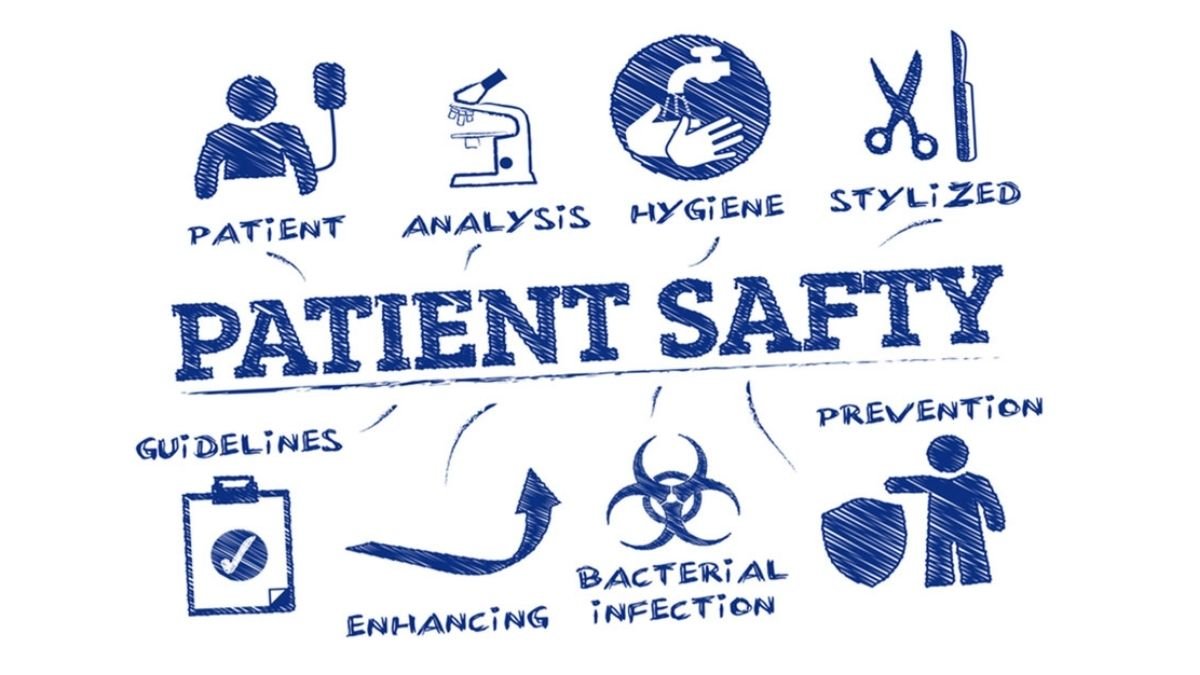
Patient safety is a top priority in healthcare, and digital tools contribute to safer care delivery. Medication management systems reduce the risk of errors by providing alerts and reminders. Electronic records improve accuracy and continuity of care across different providers. These safety-focused tools help prevent mistakes and support consistent, high-quality care.
Addressing Privacy and Ethical Considerations
As digital health tools become more widespread, protecting patient privacy and data security is essential. Healthcare organizations must ensure that digital systems comply with ethical standards and data protection regulations. Patients need to feel confident that their personal health information is secure. Trust is a fundamental part of digital healthcare, and responsible data use strengthens that trust.
Reducing Healthcare Costs and Improving Efficiency
Digital health tools can help reduce healthcare costs by preventing unnecessary hospital visits and improving care coordination. Telehealth reduces travel expenses and missed work for patients. Remote monitoring helps avoid costly complications and hospitalizations. By improving efficiency and prevention, digital tools support more sustainable healthcare systems.
Supporting Healthcare Equity
Digital health tools have the potential to improve equity by expanding access to care. When designed thoughtfully, these tools reach underserved populations and reduce disparities. However, addressing challenges such as digital literacy and access to technology is essential. Inclusive digital health strategies ensure that modern care benefits everyone, regardless of background or location.
Adapting to a Changing Healthcare Landscape
Healthcare needs continue to evolve, and digital health tools help systems adapt to change. During public health emergencies and periods of high demand, digital platforms support continuity of care. Flexible and scalable technologies allow healthcare providers to respond quickly to new challenges. This adaptability strengthens healthcare resilience and preparedness.
The Future of Digital Health in Modern Care
The role of digital health tools will continue to expand as technology advances. Innovations in artificial intelligence, data analytics, and connected devices promise even more personalized and predictive care. While technology will evolve, the goal remains the same: improving patient outcomes and experiences. Digital health tools will continue to support healthcare professionals while keeping patients at the center of care.
Conclusion
Digital health tools play a vital role in modern care by improving access, efficiency, communication, and patient engagement. They support better decision-making, continuous monitoring, and personalized treatment while enhancing safety and quality. When used responsibly and ethically, digital health tools bridge the gap between technology and human care. By integrating these tools into healthcare systems, modern care becomes more responsive, inclusive, and effective, meeting the needs of patients in an increasingly connected world.









Leave a Reply