

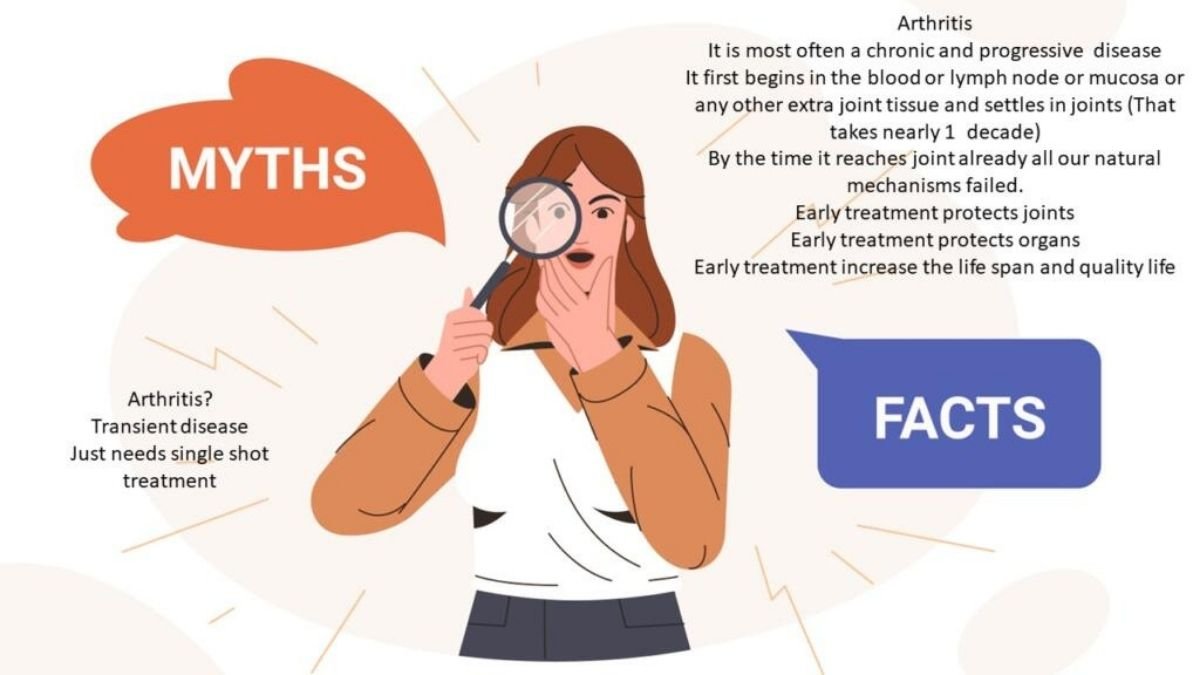
Chronic diseases have become a growing concern in today’s fast-paced world. With advancements in medical science, awareness about conditions like diabetes, heart disease, arthritis, and respiratory illnesses has increased, yet many misconceptions continue to circulate. Understanding the difference between myths and facts is crucial, not only for patients but also for their families and society at large. Misunderstandings can lead to poor management, unnecessary fear, and even stigmatization of individuals living with these conditions. By examining common beliefs and clarifying the truths behind them, we can pave the way for better healthcare decisions and improved quality of life.
Chronic Diseases Are Only for the Elderly
One of the most pervasive myths about chronic diseases is that they only affect older adults. While it is true that age can be a risk factor for conditions like osteoporosis or cardiovascular disease, chronic illnesses do not discriminate by age. Young adults, and even children, can develop long-term health problems. For instance, type 1 diabetes often appears in childhood or adolescence, while asthma and obesity-related complications can manifest at any stage of life. The assumption that chronic disease is a natural part of aging can prevent early diagnosis and treatment. Recognizing that anyone, regardless of age, can be affected allows for proactive health monitoring and lifestyle adjustments that can reduce the severity and impact of these conditions.
Chronic Diseases Are Always Genetic
Many people believe that chronic diseases are purely hereditary, but genetics is only one piece of the puzzle. While certain conditions like cystic fibrosis or Huntington’s disease have strong genetic links, most chronic illnesses result from a complex interplay of genetic, environmental, and lifestyle factors. Heart disease, diabetes, and hypertension can develop due to poor diet, lack of exercise, stress, and exposure to pollutants, even in individuals without a family history. Understanding the multifactorial nature of chronic disease is empowering because it means that lifestyle changes, preventive measures, and early interventions can significantly reduce risk, regardless of genetic predisposition.
You Can Cure Chronic Diseases Completely
A common misconception is that chronic diseases can be cured with medication or short-term interventions. While medical treatments and therapies can manage symptoms effectively, most chronic illnesses are lifelong conditions that require ongoing care. For example, medications can help regulate blood sugar levels in diabetes or control blood pressure in hypertension, but they do not eliminate the disease itself. Management strategies, including lifestyle modifications, consistent medical supervision, and emotional support, play a crucial role in maintaining health and preventing complications. Understanding that chronic diseases are manageable rather than curable encourages patients to adopt long-term, sustainable habits rather than seeking a quick fix.
Only Sick People Develop Chronic Diseases
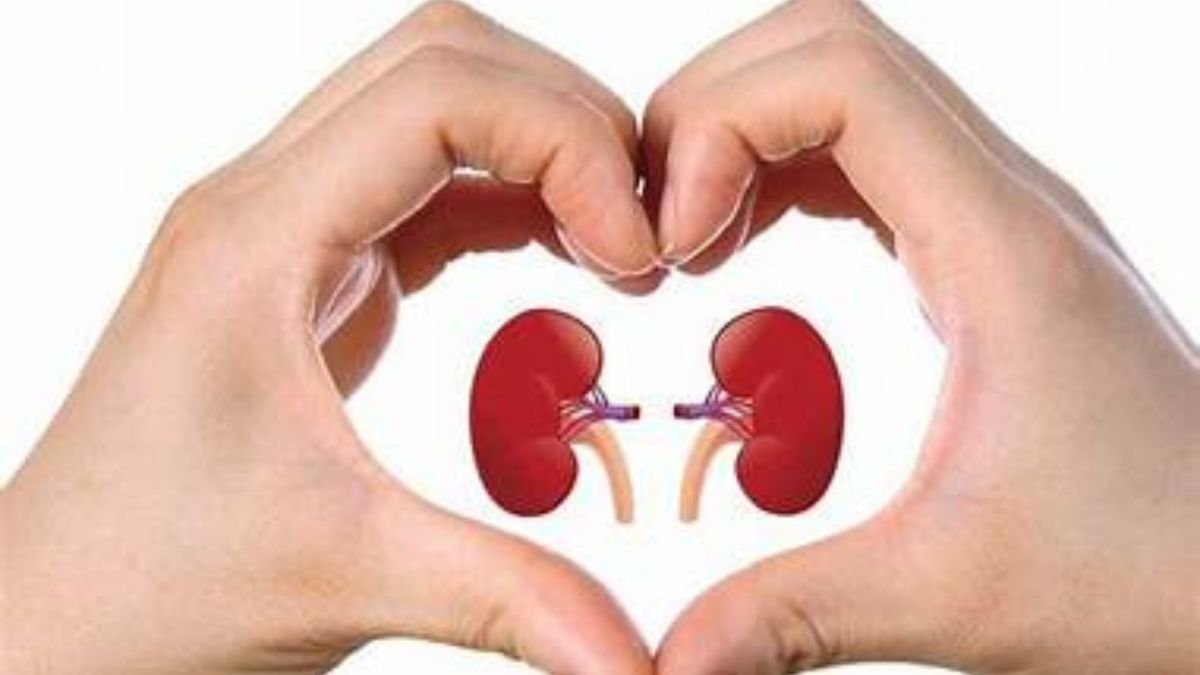
Another harmful myth is that chronic disease is a sign of weakness or poor health habits, implying that only “sick” people get them. In reality, many individuals with chronic illnesses may appear perfectly healthy, particularly in the early stages of the condition. Hypertension, for example, is often called the “silent killer” because it can progress without noticeable symptoms. Similarly, conditions like early-stage kidney disease or osteoporosis may go undetected for years. This misconception can create unnecessary stigma, making patients feel guilty or ashamed of their condition. Education and awareness can help shift the perception, highlighting that chronic disease is a medical condition rather than a reflection of personal character or effort.
Lifestyle Has Little Impact on Chronic Diseases
Some people underestimate the role of lifestyle in preventing or managing chronic diseases. While genetics and environmental factors are important, lifestyle choices are powerful tools in reducing risk and improving outcomes. Regular exercise, balanced nutrition, stress management, and avoiding harmful habits like smoking and excessive alcohol consumption can significantly lower the likelihood of developing conditions such as heart disease, type 2 diabetes, and certain cancers. Even after diagnosis, lifestyle adjustments can slow disease progression, enhance quality of life, and reduce dependency on medications. Recognizing the impact of daily choices empowers individuals to take active control over their health journey.
Chronic Disease Always Shows Symptoms
Many believe that chronic diseases are always obvious because they show visible symptoms. In reality, numerous conditions develop gradually and silently. Diseases like type 2 diabetes, hypertension, and early-stage liver disease often have subtle or no noticeable signs in their initial stages. Waiting for symptoms to appear before seeking medical help can lead to delayed diagnosis and complications. Regular health check-ups, blood tests, and screenings are essential for detecting chronic illnesses early. Awareness of the silent nature of many chronic conditions encourages proactive monitoring and helps prevent preventable damage over time.
Medication Alone Is Enough to Manage Chronic Disease
There is a widespread misconception that taking prescribed medication is sufficient to manage chronic illnesses. While medications are vital in controlling symptoms and preventing disease progression, they are most effective when combined with healthy lifestyle practices. Diet, exercise, stress reduction, and regular monitoring are equally important components of chronic disease management. For instance, a patient with type 2 diabetes may take medication to regulate blood sugar but still needs to maintain a healthy diet and exercise regularly to keep their condition under control. Overreliance on medication alone can lead to suboptimal outcomes and a false sense of security.
Mental Health Is Separate from Chronic Disease
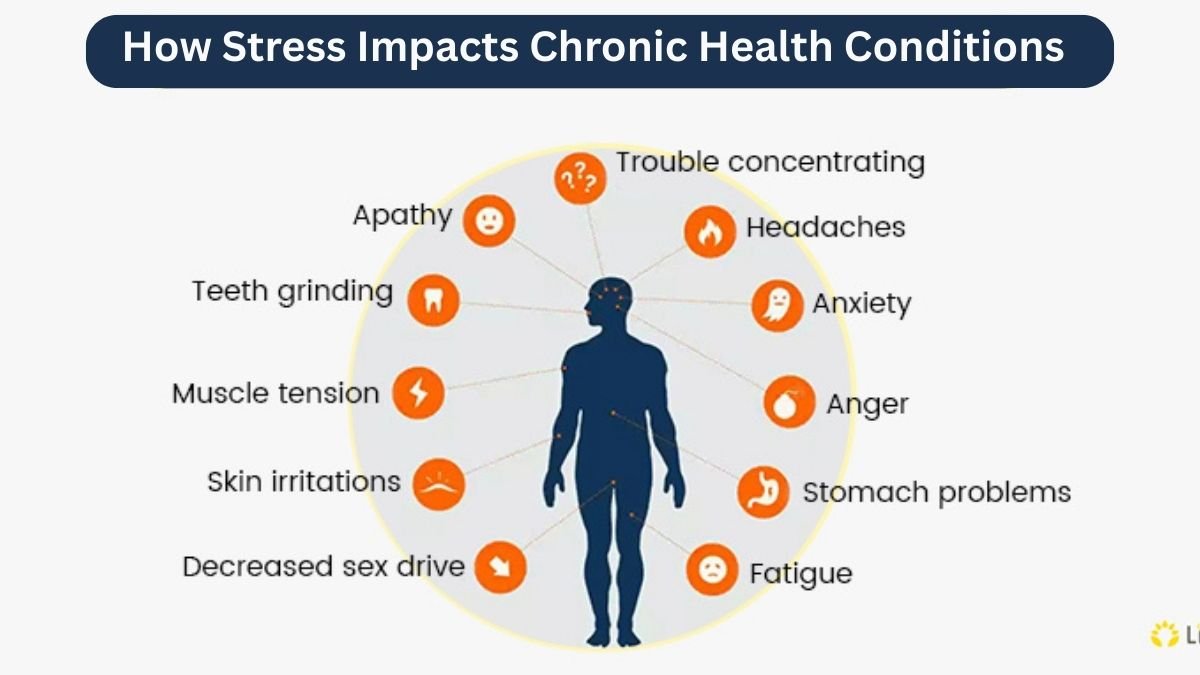
Many people view chronic diseases as purely physical problems, neglecting the mental and emotional aspects. However, living with a long-term condition can take a significant psychological toll. Anxiety, depression, and stress are common among patients managing chronic illnesses, and they can exacerbate physical symptoms. For example, stress can worsen blood pressure, increase inflammation, and impact immune function. Integrating mental health support into chronic disease care is essential. Counseling, support groups, mindfulness practices, and relaxation techniques can improve both emotional well-being and physical health, illustrating the inseparable connection between mind and body in managing chronic conditions.
Chronic Disease Means Losing Independence
A fear among many patients is that a chronic disease diagnosis will inevitably lead to dependency and a loss of freedom. While some conditions may require adjustments in daily life, many individuals maintain independence with proper management and support. Assistive devices, medication plans, home modifications, and social support networks can help patients continue their regular routines. Education about the condition, early intervention, and adherence to treatment plans can empower individuals to lead fulfilling lives despite chronic illness. Understanding that chronic disease does not equate to helplessness can help reduce fear and promote proactive engagement in health care.
Prevention Is Not Possible
Perhaps one of the most damaging myths is that chronic diseases are unavoidable. While not every condition can be prevented, many can be delayed, mitigated, or even avoided through conscious health choices. Maintaining a balanced diet, exercising regularly, avoiding smoking and excessive alcohol consumption, managing stress, and getting regular screenings can dramatically reduce the risk of developing conditions like heart disease, type 2 diabetes, and certain cancers. Public health initiatives and education campaigns also play a vital role in raising awareness about prevention strategies, demonstrating that proactive measures matter. Prevention, rather than reaction, remains the most effective approach to reducing the burden of chronic diseases.
Conclusion
Chronic diseases are complex conditions that require understanding, patience, and proactive management. Myths about who is affected, how these diseases develop, and how they can be managed continue to influence attitudes and behaviors in society. Dispelling misconceptions is crucial not only for patients but also for caregivers, policymakers, and the general public. Chronic illnesses are not a sign of weakness, nor are they always inevitable or untreatable. They are often manageable through a combination of medical care, lifestyle modifications, and emotional support. Awareness, education, and compassionate care can transform the way society approaches chronic disease, reducing stigma, improving outcomes, and empowering individuals to lead full, meaningful lives despite the challenges these conditions may bring. By separating fact from fiction, we can create a healthier, more informed, and empathetic world for those living with chronic diseases.








Leave a Reply