

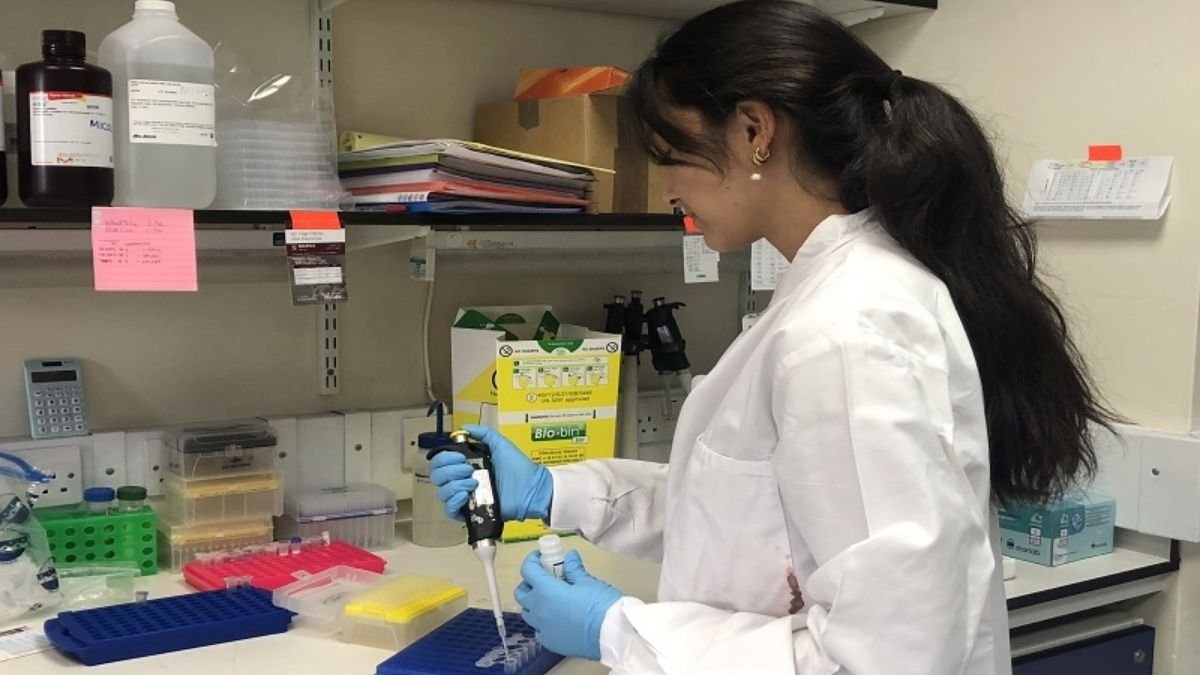
Medical research is often imagined as something distant, happening quietly inside laboratories or academic journals that few people read. Yet behind every study, every trial, and every dataset, there are real human stories. These stories involve patients who had few options, doctors who questioned existing practices, and researchers who refused to accept “this is how it has always been done.” Over time, their work has transformed how diseases are treated, turning once-fatal conditions into manageable ones and improving the quality of life for millions. This article explores real stories from research that truly changed treatment, showing how curiosity, persistence, and compassion can reshape medicine.
The Discovery of Antibiotics and the Fight Against Infection
One of the most famous examples of research changing treatment is the discovery of antibiotics. Before antibiotics, even a small cut or routine surgery could lead to deadly infections. Patients often died not from the original injury but from bacteria the body could not fight. The turning point came when researchers began studying how certain molds affected bacterial growth. This research led to the development of penicillin and, later, many other antibiotics.
The impact was immediate and profound. Diseases like pneumonia, tuberculosis, and blood infections became treatable. Hospitals transformed from places where infections spread easily into centers of healing. This research did more than save lives; it changed how doctors approached illness. Instead of accepting infections as inevitable, medicine gained powerful tools to stop them. The story of antibiotics reminds us that a single research breakthrough can redefine what is possible in healthcare.
Insulin and the Transformation of Diabetes Care
Before insulin was discovered, a diagnosis of type 1 diabetes was essentially a death sentence. Patients, often children, were placed on extreme diets that delayed death but caused immense suffering. Researchers studying the pancreas suspected that it produced a substance critical for regulating blood sugar. Through years of experiments, trials, and failures, they eventually isolated insulin.
When insulin was first used in patients, the results were almost miraculous. Children who were weak and fading regained strength and energy. Diabetes shifted from a fatal disease to a manageable chronic condition. This research did not just change treatment; it changed lives and families. Today, millions of people depend on insulin, and ongoing research continues to improve how it is delivered and monitored. The insulin story shows how understanding the body at a deeper level can turn despair into long-term hope.
Vaccines and the Prevention of Deadly Diseases
Vaccines represent another powerful example of research reshaping treatment, and even prevention itself. Diseases like polio, measles, and smallpox once caused widespread fear, disability, and death. Researchers studied how the immune system responds to infections and how exposure to weakened or inactive forms of a virus could protect the body in the future.
The real-world impact of this research is undeniable. Smallpox was completely eradicated, polio cases dropped dramatically worldwide, and countless children were spared lifelong disability. Vaccines changed the focus of medicine from reacting to illness to preventing it altogether. These research-driven successes also reshaped public health systems, influencing national immunization programs and global health strategies. Behind every vaccine is a story of careful research, ethical testing, and a commitment to protecting communities.
Cancer Research and the Rise of Targeted Therapies
Cancer treatment has undergone one of the most dramatic transformations in modern medicine, largely due to research that challenged traditional approaches. For decades, treatments like chemotherapy and radiation were the main options, often affecting healthy cells along with cancerous ones. Researchers began to ask deeper questions about how cancer grows at the molecular level.
This led to the development of targeted therapies, treatments designed to attack specific genetic changes in cancer cells. Patients with certain types of leukemia, breast cancer, and lung cancer began to see better outcomes with fewer side effects. These treatments were born from years of genetic research, clinical trials, and patient participation. Real stories from cancer survivors highlight how research gave them not just more time, but better quality of life. Cancer research continues to evolve, offering personalized treatments that were unimaginable just a few decades ago.
HIV Research and the Shift From Fatal to Manageable
In the early years of the HIV epidemic, fear and uncertainty dominated. Patients faced stigma, limited treatment options, and short life expectancies. Researchers around the world raced to understand how the virus worked and how it attacked the immune system. Early treatments were limited and often harsh, but research did not stop.
Over time, combination therapies known as antiretroviral treatments were developed. These treatments suppressed the virus, allowing patients to live long, productive lives. HIV transformed from a fatal diagnosis into a manageable chronic condition. This shift was driven entirely by research, clinical trials, and the courage of patients who participated in them. The story of HIV treatment is a powerful reminder that even in the face of fear and loss, research can lead to extraordinary progress.
Mental Health Research and Changing Perspectives
Mental health treatment has also been deeply influenced by research. In the past, conditions like depression, anxiety, and schizophrenia were poorly understood and often treated with isolation or ineffective methods. Researchers began studying the brain, neurotransmitters, and the psychological factors influencing mental health.
This research led to the development of medications, therapies, and holistic approaches that recognize mental health as a vital part of overall well-being. Treatments such as cognitive behavioral therapy and modern antidepressants emerged from decades of study and patient feedback. Real stories from individuals living with mental health conditions show how research-based treatments helped them regain control over their lives. Just as importantly, research has helped reduce stigma by framing mental illness as a medical condition, not a personal failure.
Rare Diseases and the Power of Patient-Led Research
Rare diseases often receive less attention because they affect smaller populations, but research has made remarkable differences here as well. Many breakthroughs in rare disease treatment came from partnerships between researchers, doctors, and patients’ families. Parents who refused to accept “there is no treatment” pushed for research funding and clinical trials.
In several cases, these efforts led to life-saving therapies tailored to specific genetic conditions. These stories highlight how research is not only driven by institutions but also by individuals who turn personal tragedy into collective progress. Treatments for rare diseases often pave the way for broader medical advances, benefiting more patients in the long run.
Technology, Data, and the Future of Treatment Research
Modern research increasingly relies on technology and data, and this too has changed treatment in meaningful ways. Large-scale studies using electronic health records, genetic databases, and artificial intelligence help researchers identify patterns that were previously invisible. This has led to earlier diagnoses, better risk prediction, and more personalized care.
Real-world examples include improved heart disease management and faster identification of effective treatments during global health crises. Technology-driven research shortens the gap between discovery and treatment, ensuring patients benefit sooner. These advances show that research is not static; it evolves with society and technology, constantly reshaping how care is delivered.
The Human Side of Research and Clinical Trials
Behind every successful treatment is the participation of real people. Patients who join clinical trials often do so not just for themselves, but to help future generations. Their stories are an essential part of medical progress. Researchers, too, bring personal motivation, often inspired by loved ones affected by disease.
This human connection is what transforms research from data into healing. Ethical standards, patient consent, and transparent communication ensure that research respects the individuals it aims to help. When patients and researchers work together, treatments become more effective and more compassionate.
Conclusion
Real stories from research that changed treatment remind us that medical progress is built on patience, courage, and collaboration. Each breakthrough represents years of effort and countless human experiences. From antibiotics to cancer therapies, from insulin to HIV treatment, research has repeatedly turned fear into hope.
Understanding these stories helps us appreciate why research funding, participation, and trust in science matter. Today’s unanswered questions may become tomorrow’s life-saving treatments. As history has shown, when research is guided by curiosity and compassion, it has the power to change not just medicine, but lives themselves.









Leave a Reply