

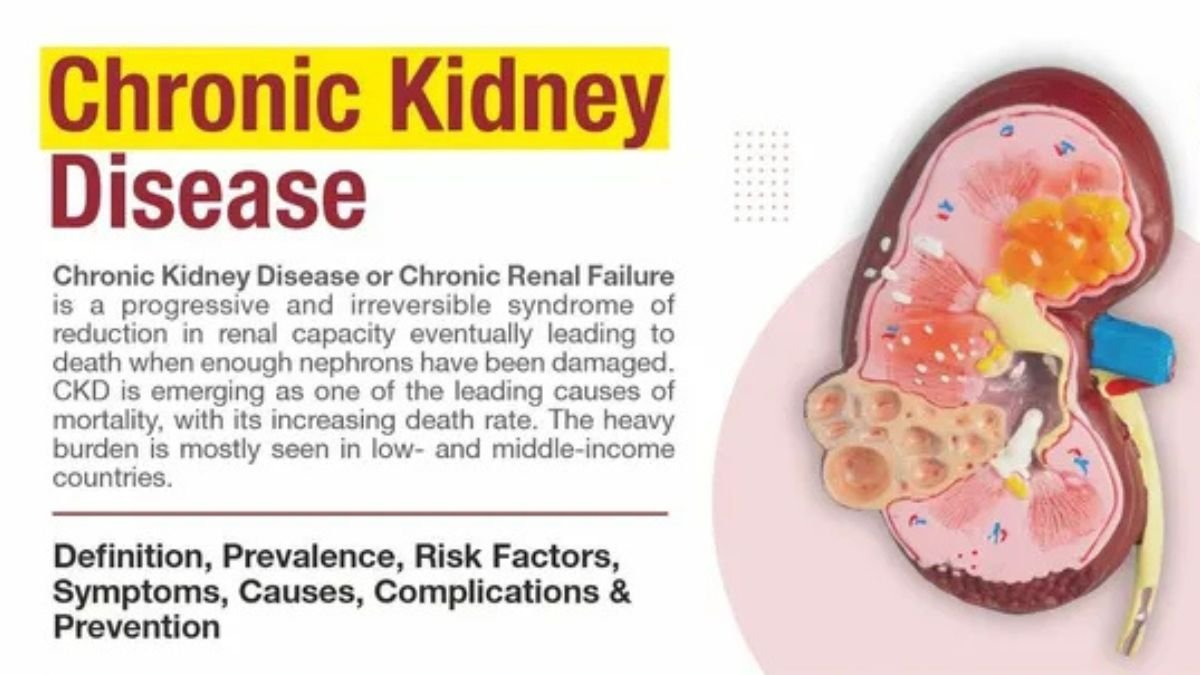
Kidneys are remarkable organs in our body. They are small, bean-shaped, and located on either side of your spine, just below the ribcage. Despite their modest size, kidneys play a critical role in keeping us healthy. They act as the body’s natural filtration system, removing waste, excess fluids, and toxins from the blood. They also help regulate blood pressure, produce essential hormones, and maintain a balance of minerals and electrolytes. Understanding kidney disease can seem overwhelming, but when broken down into simple terms, it becomes easier to grasp. This article aims to explain kidney disease in a way that everyone can understand, without complicated medical jargon.
What is Kidney Disease?
Kidney disease refers to a condition where the kidneys lose their ability to function properly. This can happen gradually over time, often without noticeable symptoms in the early stages. Because the kidneys are so efficient, they can compensate for minor damage, which means that many people might not realize they have a problem until the disease has progressed. Kidney disease is sometimes referred to as chronic kidney disease (CKD) when it persists for months or years. It can range from mild impairment to complete kidney failure, which requires treatments like dialysis or kidney transplantation.
Kidney disease is not a single illness but a group of conditions that affect the kidneys’ ability to filter blood. These conditions may arise from high blood pressure, diabetes, infections, or inherited disorders. Sometimes, kidney stones, autoimmune diseases, or prolonged use of certain medications can also cause damage. Understanding the root cause of kidney disease is crucial because it determines how the condition is treated and managed.
How Do Kidneys Work?
To understand kidney disease, it helps to know how healthy kidneys function. Each kidney contains millions of tiny filtering units called nephrons. These nephrons filter blood, remove waste, and produce urine. Along with waste removal, kidneys help balance the body’s fluids, regulate electrolytes such as sodium and potassium, and maintain a stable pH in the blood.
Kidneys also produce hormones that influence blood pressure and red blood cell production. One such hormone, erythropoietin, signals the body to make red blood cells. Another, renin, helps regulate blood pressure. When the kidneys are damaged, these vital processes are disrupted, leading to complications beyond just waste buildup.
Causes of Kidney Disease
Several factors can contribute to kidney disease. The most common causes include diabetes and high blood pressure. High blood sugar in diabetes can damage the tiny blood vessels in the kidneys over time, making them less effective. Similarly, uncontrolled high blood pressure can put stress on the kidneys, causing damage to their filtering units.
Other causes include infections, autoimmune disorders like lupus, kidney stones, and inherited conditions such as polycystic kidney disease. Certain medications, especially painkillers and antibiotics used over a long period, can also harm the kidneys. Lifestyle factors such as smoking, excessive alcohol use, and poor diet can further increase the risk of kidney damage. Understanding these causes is important for both prevention and treatment.
Symptoms of Kidney Disease
One of the challenges of kidney disease is that it often develops silently. Early-stage kidney damage may not produce noticeable symptoms. However, as the disease progresses, several warning signs may appear. Common symptoms include fatigue, swelling in the hands and feet, frequent urination, especially at night, and changes in urine color.
Other signs can include persistent itching, muscle cramps, nausea, loss of appetite, and difficulty concentrating. Because these symptoms can also be related to other health issues, many people may overlook them. Routine blood tests and urine tests are often the best way to detect kidney problems before they become severe.
Diagnosing Kidney Disease
Diagnosing kidney disease typically involves a combination of blood tests, urine tests, and imaging studies. Blood tests can measure levels of waste products, such as creatinine and urea, which accumulate when kidney function declines. Urine tests can detect protein, blood, or other abnormal substances that indicate kidney damage.
Imaging tests like ultrasounds or CT scans may be used to check the size, shape, and structure of the kidneys. In some cases, a kidney biopsy may be performed, where a small tissue sample is taken for examination under a microscope. Early diagnosis is crucial because timely intervention can slow the progression of the disease and prevent serious complications.
Stages of Kidney Disease
Kidney disease is classified into five stages based on how well the kidneys are functioning. Stage 1 indicates mild kidney damage with normal kidney function, while stage 5 represents kidney failure. In the early stages, people may feel fine and have few symptoms.
As the disease progresses, the kidneys’ ability to filter waste declines, leading to fluid retention, electrolyte imbalances, and accumulation of toxins. By stage 4, kidney function is severely reduced, and medical intervention becomes necessary. Stage 5, also known as end-stage renal disease, usually requires dialysis or a kidney transplant to sustain life. Understanding these stages helps patients and doctors make informed decisions about treatment and lifestyle changes.
Treatment Options
Treatment for kidney disease depends on its stage and underlying cause. In the early stages, lifestyle modifications can make a significant difference. This includes controlling blood sugar and blood pressure, following a kidney-friendly diet, avoiding smoking and excessive alcohol, and staying physically active.
Medications may also be prescribed to manage blood pressure, control cholesterol levels, reduce swelling, or treat underlying conditions like diabetes. In more advanced stages, treatments such as dialysis or kidney transplantation may be required. Dialysis is a process that artificially removes waste and excess fluids from the blood, essentially performing the function of the kidneys. Kidney transplantation involves replacing a diseased kidney with a healthy one from a donor, offering the possibility of a more normal life.
Preventing Kidney Disease
Prevention is always better than cure, and kidney disease is no exception. Maintaining a healthy lifestyle is the most effective way to protect your kidneys. This includes eating a balanced diet rich in fruits, vegetables, and whole grains, and limiting salt and processed foods. Regular exercise, adequate hydration, and avoiding smoking can also reduce the risk of kidney problems.
Managing chronic conditions such as diabetes and high blood pressure is equally important. Routine check-ups with your doctor, including kidney function tests, can help detect problems early. Awareness and education about kidney health can empower individuals to make choices that support long-term kidney function.
Living with Kidney Disease
Living with kidney disease requires adjustments to daily life, but many people continue to lead fulfilling lives. Regular monitoring, adherence to treatment plans, and lifestyle changes can help manage symptoms and slow the progression of the disease. Emotional support from family, friends, or support groups can also be invaluable, as coping with a chronic illness can be challenging.
Patients may need to follow dietary restrictions, such as limiting protein, potassium, or phosphorus intake. Fluid intake may also need to be monitored, particularly in advanced stages. Despite these challenges, many individuals successfully manage kidney disease with the right combination of medical care, lifestyle adjustments, and self-care practices.
Common Misconceptions About Kidney Disease
There are several misconceptions about kidney disease that can create unnecessary fear or confusion. One common myth is that kidney disease always leads to dialysis or a transplant. In reality, most cases can be managed effectively through early detection and lifestyle interventions. Another misconception is that only older adults are at risk. While age can increase risk, younger individuals with diabetes, high blood pressure, or a family history of kidney disease can also be affected.
It is also mistakenly believed that kidney disease always causes pain. Many people experience no pain until the disease reaches advanced stages. Understanding the facts and debunking myths is essential for effective prevention and management.
Conclusion
Kidney disease may sound complicated, but its essence is simple: it is a condition where the kidneys cannot perform their vital functions effectively. Early detection, awareness of risk factors, and a healthy lifestyle can significantly reduce the impact of this disease. By understanding how kidneys work, recognizing symptoms, and seeking timely medical care, individuals can protect their kidney health and lead a healthy life. Kidney disease is a challenge, but it is not an insurmountable one. With the right knowledge and proactive measures, people can manage the condition successfully, ensuring that their kidneys continue to support their body for years to come.









Leave a Reply