

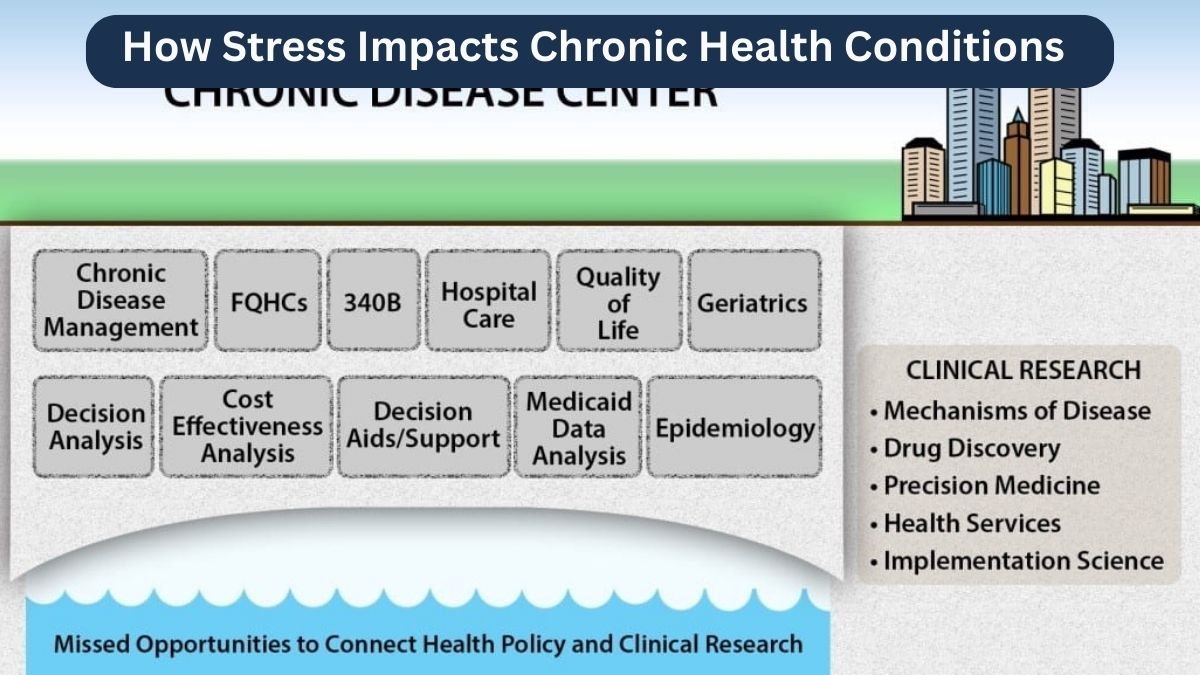
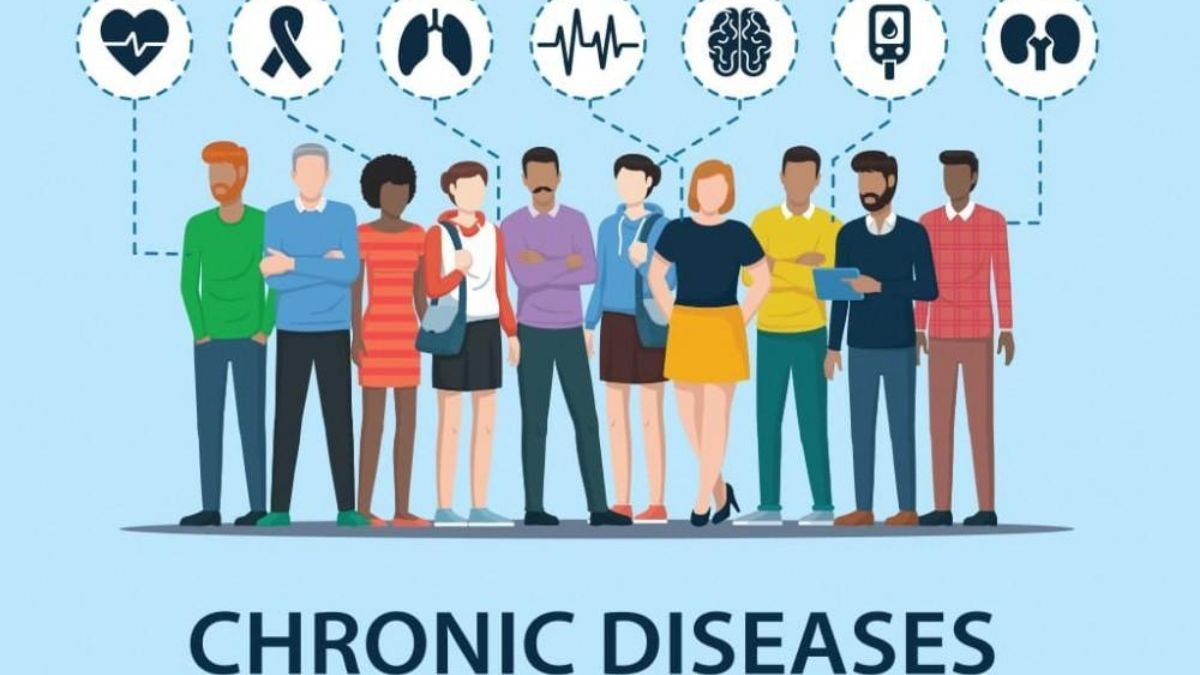
Chronic diseases have long been a major challenge for global health systems. Unlike acute illnesses, which may strike suddenly and resolve relatively quickly, chronic diseases persist over time, often for years or even decades. Conditions such as diabetes, heart disease, chronic obstructive pulmonary disease (COPD), arthritis, and chronic kidney disease affect millions worldwide, placing a significant burden on individuals, families, and healthcare infrastructures. Over the past few years, scientific research has intensified, aiming to find more effective treatments and interventions that not only manage symptoms but also improve patients’ overall quality of life. This article explores the latest developments in chronic disease research and the promising treatments emerging from modern medicine.
Understanding Chronic Diseases
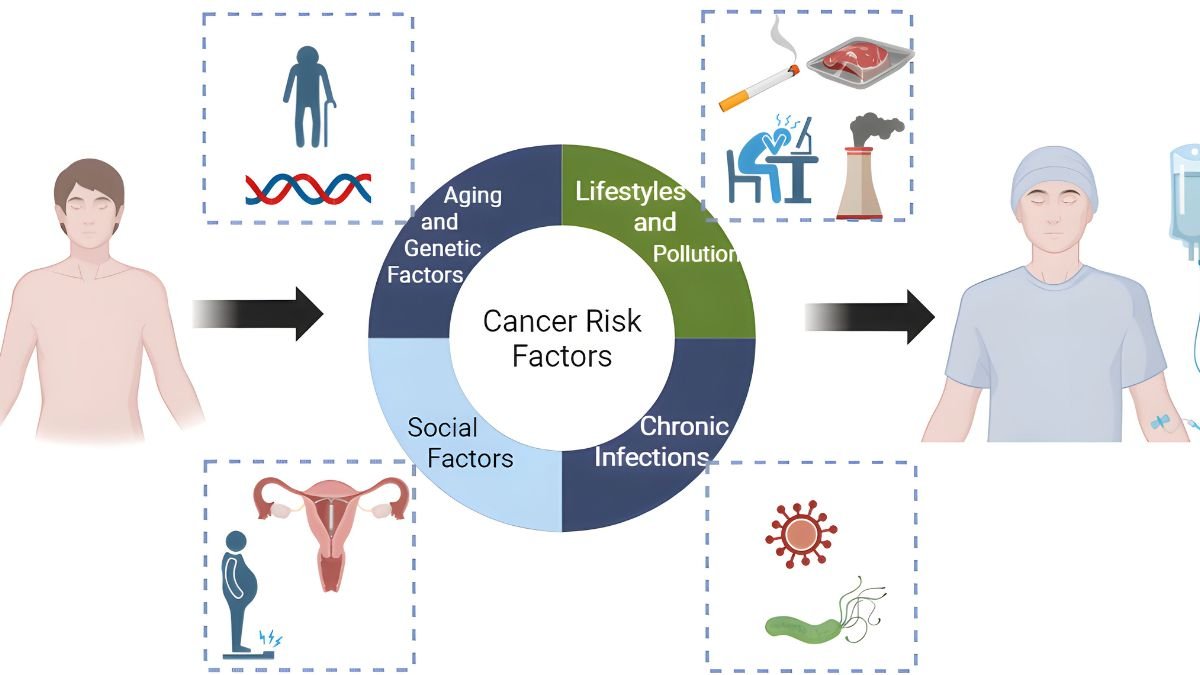
Chronic diseases are long-term conditions that develop slowly and typically cannot be cured entirely, though their progression can often be slowed. These illnesses are often linked to lifestyle factors such as poor diet, sedentary behavior, smoking, and stress, as well as genetic predispositions. The complexity of chronic diseases lies in their multifactorial nature. For example, cardiovascular disease is influenced by cholesterol levels, blood pressure, inflammation, and genetics, while diabetes can be affected by diet, insulin resistance, and immune system dysfunction. This complexity has prompted researchers to look beyond traditional treatments, seeking holistic approaches that address the root causes and mechanisms of these diseases.
Advances in Personalized Medicine
One of the most exciting developments in chronic disease treatment is the rise of personalized medicine. Unlike traditional approaches, which apply standardized treatments to large populations, personalized medicine tailors therapies to the unique genetic and physiological characteristics of each patient. By analyzing a patient’s genome, biomarkers, and metabolic profile, doctors can predict which treatments are most likely to be effective and avoid those that may cause harmful side effects. For example, in cardiovascular disease, personalized medicine allows clinicians to identify patients at higher risk for heart attacks and prescribe medications and lifestyle interventions specific to their genetic and biochemical profile. Similarly, in cancer-related chronic conditions, treatments can now be adjusted based on the genetic mutations driving disease progression, leading to more targeted and effective therapies.
Immunotherapy and Chronic Diseases
Immunotherapy, traditionally associated with cancer treatment, is increasingly being explored as a treatment for chronic diseases. Chronic inflammation is a hallmark of many long-term illnesses, including rheumatoid arthritis, inflammatory bowel disease, and type 2 diabetes. Researchers are now investigating ways to modulate the immune system to reduce harmful inflammation without suppressing the body’s natural defenses. Innovative therapies, such as monoclonal antibodies, immune checkpoint inhibitors, and cytokine modulators, have shown promise in early clinical trials. These treatments work by precisely targeting the immune pathways responsible for disease progression, potentially offering relief to patients who have not responded well to conventional therapies.
Regenerative Medicine and Stem Cell Therapy
Regenerative medicine is another groundbreaking area in chronic disease research. Stem cells, with their ability to develop into various types of specialized cells, hold immense potential for repairing damaged tissues and organs. For conditions such as osteoarthritis, researchers are exploring the use of stem cell injections to regenerate cartilage and reduce joint pain. Similarly, in chronic heart failure, stem cells derived from the patient’s own body are being investigated for their ability to repair damaged heart tissue and improve cardiac function. While still in experimental stages for many diseases, regenerative medicine offers hope for treatments that not only alleviate symptoms but also restore function and reverse damage caused by chronic illnesses.
Advances in Pharmacology
Pharmacological research continues to play a critical role in managing chronic diseases. New drugs and treatment regimens are being developed that target specific pathways involved in disease progression. For example, in diabetes, SGLT2 inhibitors have revolutionized treatment by helping the body eliminate excess glucose while also reducing the risk of heart and kidney complications. Similarly, in chronic inflammatory conditions, researchers are developing biologic drugs that precisely inhibit inflammatory molecules, minimizing side effects associated with traditional anti-inflammatory medications. Additionally, the combination of drugs targeting multiple pathways simultaneously is showing promise in controlling complex chronic conditions more effectively than single-drug therapies.
Lifestyle Interventions and Digital Health
While medical innovations are crucial, lifestyle interventions remain the cornerstone of chronic disease management. Recent research emphasizes the importance of diet, exercise, stress management, and sleep in preventing and controlling chronic illnesses. However, what sets current strategies apart is the integration of digital health technologies. Mobile apps, wearable devices, and telemedicine platforms now allow continuous monitoring of patients’ health metrics, providing real-time feedback and personalized guidance. For instance, individuals with diabetes can track their blood sugar levels, physical activity, and diet patterns through smart devices, enabling healthcare providers to adjust treatment plans dynamically. Such technological integration empowers patients to take an active role in managing their health while improving adherence to treatment protocols.
Mental Health Considerations
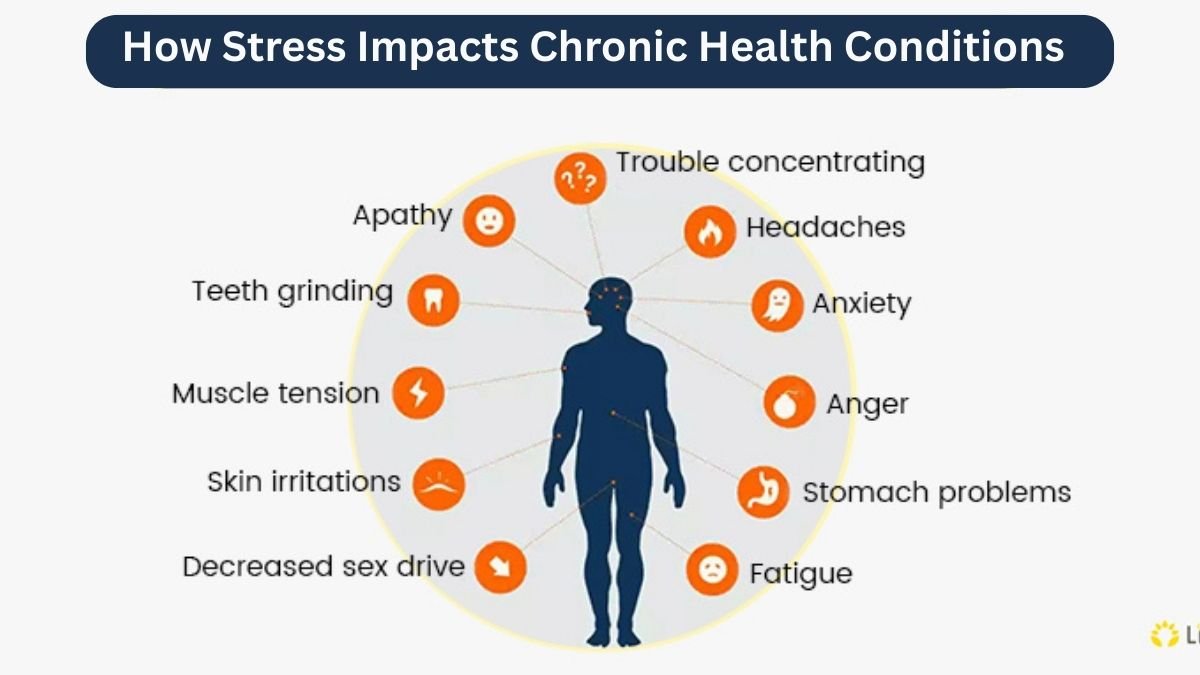
Chronic diseases are not just physical ailments; they also have profound psychological and emotional impacts. Depression, anxiety, and stress are commonly observed among patients with long-term conditions, often exacerbating physical symptoms and reducing treatment effectiveness. Recent research highlights the importance of integrating mental health care into chronic disease management. Mindfulness-based therapies, cognitive behavioral therapy, and stress reduction programs are now being combined with conventional treatments to enhance overall well-being. Addressing mental health alongside physical health not only improves quality of life but can also positively influence disease outcomes by reducing stress-related inflammation and promoting healthier lifestyle choices.
Cutting-Edge Research and Future Directions
The future of chronic disease treatment is moving toward a more holistic, precision-focused, and multi-disciplinary approach. Researchers are exploring the potential of gene editing technologies such as CRISPR to correct genetic mutations that cause chronic illnesses. Artificial intelligence is being used to predict disease progression, optimize treatment plans, and discover new therapeutic compounds. Additionally, the integration of microbiome research is shedding light on how gut health influences chronic diseases such as obesity, diabetes, and autoimmune conditions. By understanding the complex interactions between genetics, immunity, environment, and lifestyle, scientists are developing interventions that not only manage symptoms but also prevent the onset of chronic conditions.
Challenges and Ethical Considerations
Despite the remarkable progress, the path to effective chronic disease treatment is not without challenges. High costs, accessibility issues, and the complexity of multi-system diseases pose significant barriers. Personalized and advanced therapies may not be equally available to all populations, raising concerns about healthcare equity. Ethical considerations, particularly with gene editing and stem cell therapies, also demand careful attention. Ensuring patient safety, obtaining informed consent, and navigating regulatory frameworks are essential to translating experimental treatments into clinical practice responsibly.
Conclusion
The landscape of chronic disease treatment is rapidly evolving, fueled by advances in personalized medicine, immunotherapy, regenerative medicine, pharmacology, and digital health technologies. These innovations promise not only to manage symptoms more effectively but also to enhance patients’ overall quality of life, restore function, and potentially prevent disease progression. While challenges such as accessibility, cost, and ethical considerations remain, the ongoing research provides hope that the burden of chronic diseases can be significantly reduced in the coming decades. Ultimately, the combination of scientific innovation, holistic care, and patient empowerment is shaping a future where chronic illnesses are no longer a lifelong sentence but a manageable and treatable part of human health.











Leave a Reply